
Intel stock fell Friday after the chipmaker reported a strong second-quarter earnings beat, with revenue reaching $16.1 billion, up 25% year-over-year, and non-GAAP earnings per share of $0.42 crushing analyst estimates of $0.21 per share.
The company’s fastest revenue growth in more than 15 years was driven by surging demand for data-center and AI infrastructure. Data-center revenue jumped 59% to $6.3 billion, while client computing revenue reached $8.9 billion, up 13% year-over-year.

However, the stock’s initial 7% after-hours surge on Thursday reversed course Friday as investors digested Intel’s raised capital expenditure guidance. The company increased its 2026 capex forecast to over $20 billion from $18 billion, signaling aggressive spending to meet customer demand for advanced manufacturing capacity.
Intel’s capex raise, while intended to signal confidence in future growth, triggered concerns about near-term profitability and return on investment. The company reported a GAAP net loss of $11 billion in Q2, primarily due to non-cash charges, though non-GAAP operating margins improved to 17.2% from negative 3.9% a year earlier.
Precedent: When Earnings Beats Fail to Sustain Stock Rallies
Intel’s experience mirrors a pattern seen across semiconductor stocks in 2026. In June, Broadcom reported stronger-than-expected fiscal Q2 earnings with adjusted EPS of $2.44 beating estimates of $2.39, yet shares fell nearly 13% after-hours due to disappointing forward guidance on AI chip demand. Similarly, in January 2026, Intel beat fourth-quarter earnings expectations but saw shares plummet 17% after issuing weak first-quarter guidance and warning of supply constraints.
The broader dynamic reflects investor skepticism about whether current AI infrastructure spending will sustain and whether the massive capital investments required justify the near-term costs. Citi analysts remained constructive, modeling server unit growth of 30% year-over-year and server spending up 90%, citing demand from cloud providers and enterprise AI deployments.
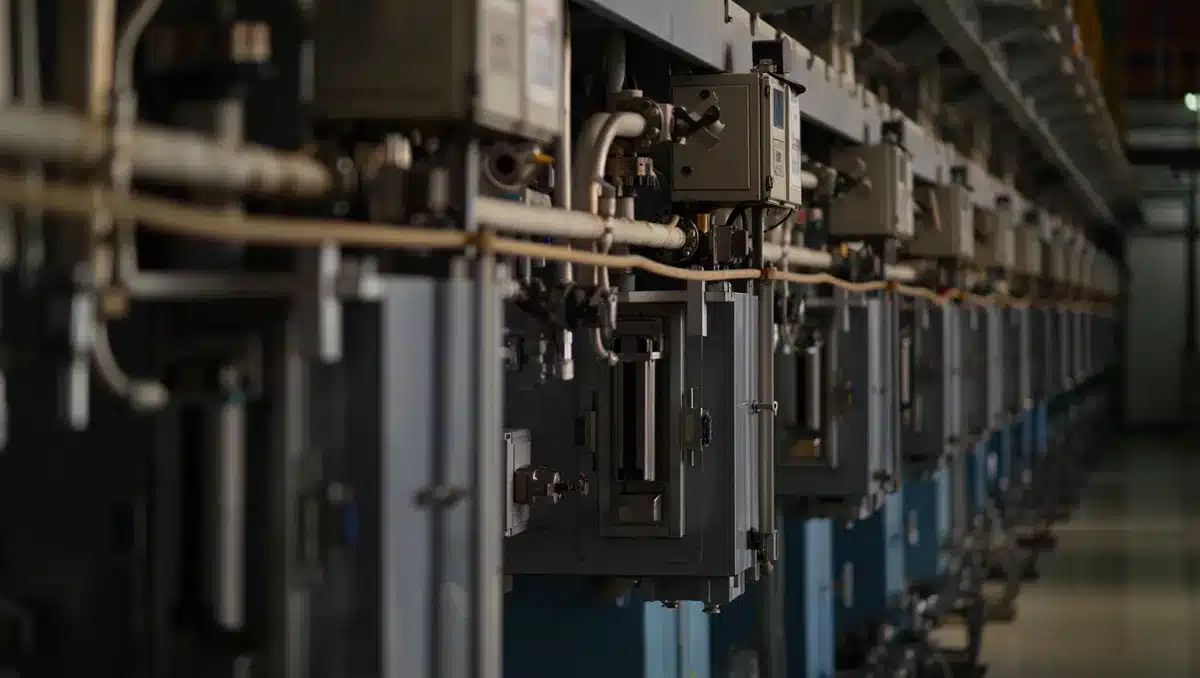
Intel’s foundry business, which manufactures chips for external customers, generated $5.8 billion in Q2 revenue, up 31% year-over-year. Yet some analysts questioned whether foundry growth was sustainable and whether Intel could compete effectively against TSMC and Samsung in the external foundry market.
For the third quarter, Intel guided revenue between $15.8 billion and $16.8 billion, with non-GAAP EPS of $0.38. The guidance suggested continued momentum but also hinted at potential margin pressure as the company balances aggressive capacity expansion with near-term profitability.
Sources
- Intel Investor Relations — Q2 2026 earnings press release with revenue, EPS, and capex guidance
- Wall Street Journal — Q2 earnings results and capex forecast details
- Barron’s — Analysis of Intel’s capex raise and analyst reactions
- Yahoo Finance — Stock movement and earnings beat details
- Reuters — Broadcom earnings miss and stock decline precedent
- Investing.com — Intel January 2026 earnings and guidance-driven sell-off precedent