Severe thunderstorms across the Northeast in late July 2026 have prompted widespread travel weather alerts and significant disruptions to air travel, with more than 2,000 flights canceled and over 5,000 delayed as major airports issued ground stops.
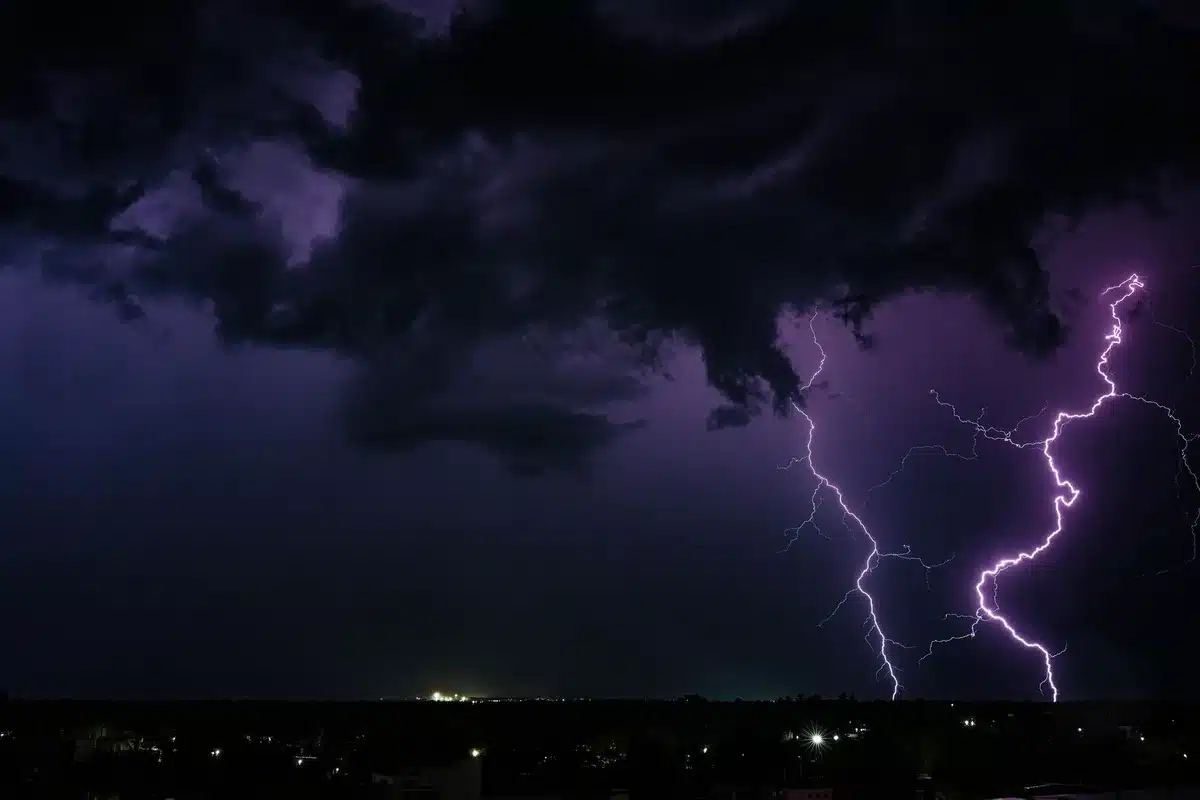
The storms struck on July 21-22, 2026, bringing tornado warnings, flash flooding, and damaging winds to parts of the Mid-Atlantic and Northeast. According to the Federal Aviation Administration, ground stops were imposed at eight major U.S. airports: Baltimore/Washington International, Boston Logan, Newark Liberty, LaGuardia, Philadelphia, Washington Reagan National, Washington Dulles, and Teterboro in New Jersey, as well as Toronto Pearson in Canada.
The disruptions cascaded across the aviation system. Airports in the New York City area alone saw nearly 600 departing flights canceled and more than 500 delayed, according to FlightAware data cited by Fox Business. Major carriers including JetBlue, United, American, Delta, and Southwest all reported triple-digit cancellations, with the ripple effects extending beyond the immediate storm zone as morning delays created bottlenecks throughout the day.
The National Weather Service indicated that severe wind gusts and flash flooding posed the primary hazards, though severe hail and isolated tornadoes also occurred. Fox Weather reported at least two confirmed tornadoes—one in northeast Pennsylvania and another in northern New Jersey. The storms triggered flood warnings across portions of the Midwest, Northeast, and Mid-Atlantic, according to USA Today reporting on the weather service advisories.
In response, major airlines quickly issued travel waivers. United Airlines waived trip change fees for customers rebooking flights departing through July 23, 2026, while American Airlines notified affected customers and allowed rebooking by Wednesday with travel rescheduled by Friday. Delta Air Lines waived both change fees and fare differences for customers rebooking through July 25, and JetBlue allowed customers affected on Tuesday or Wednesday to rebook through Sunday or request refunds, according to Fox Business reporting.
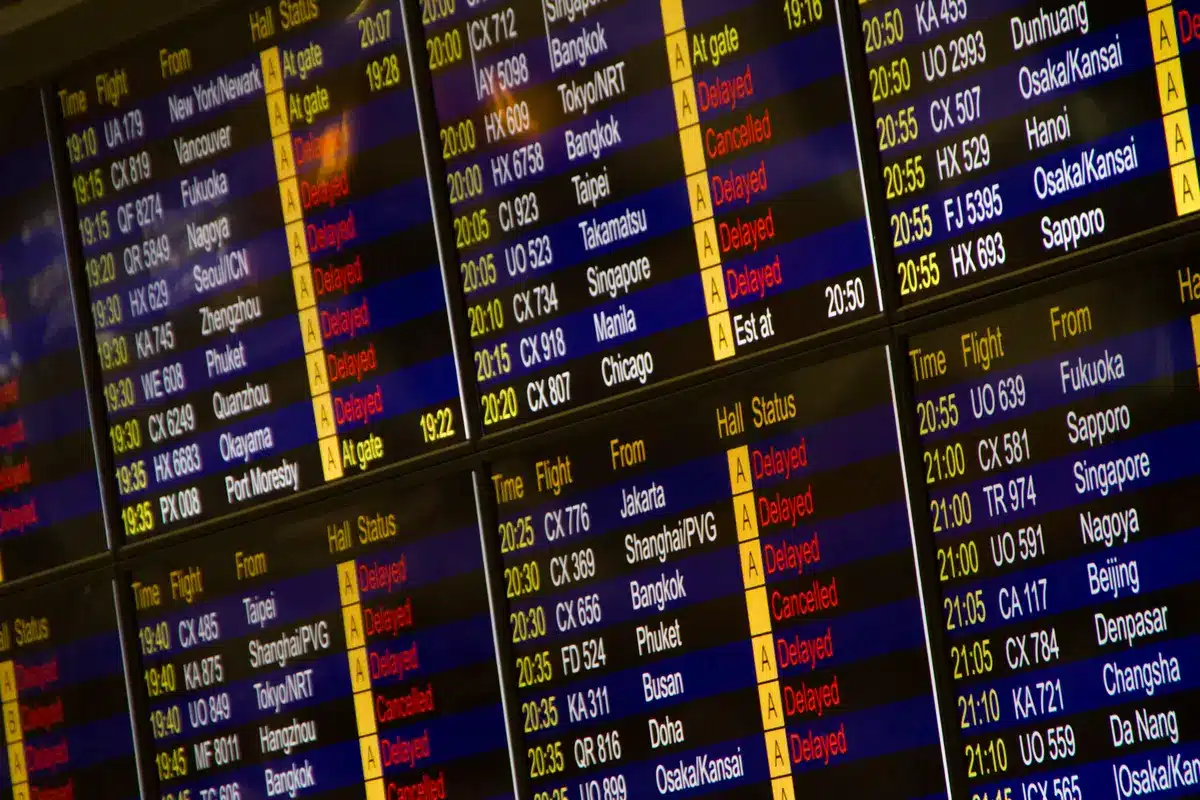
The scale of disruption underscores the vulnerability of summer travel to severe weather. Forbes noted that as of 3:45 p.m. EDT on July 21, over 4,600 flights were delayed and 1,900 canceled in the U.S., with airports reporting triple-digit cancellations including John F. Kennedy, Boston, Philadelphia, and Reagan National. Airlines operating regional service—including Republic Airways, Southwest, Endeavor Air, and PSA Airlines—all reported significant cancellations.
Travelers not directly affected by the Northeast storms faced secondary delays, as flight cancellations and delays in the morning created a domino effect throughout the day. Forbes warned that flights scheduled for late afternoon were statistically more likely to be disrupted due to this cascading impact. The disruptions extended across major travel hubs; Facebook posts from weather channels and news outlets noted that the threat extended to cities including Philadelphia, Baltimore, and Washington, D.C., affecting millions of travelers during peak summer travel season.
The incident reflects a broader pattern in U.S. aviation: according to Forbes, most flight disruptions in the country are weather-related, and airlines are not required to provide accommodations, meals, or monetary compensation when disruptions result from weather beyond their control. However, travel insurance policies purchased before a storm is announced may provide coverage for trip cancellation or travel delay, though most travelers do not carry such policies when severe weather strikes unexpectedly.
Sources
- Fox Business — reported 2,000+ flight cancellations, 5,000+ delays, FAA ground stops at eight airports, tornado reports, and airline waiver details
- Forbes — documented 6,500 total disrupted flights, detailed cancellation and delay counts by airport, airline waivers, and weather service forecasts
- USA Today — covered flood watch and weather service alerts across Midwest and Northeast