
Russia is sustaining battlefield casualties of roughly 5,000 to 6,000 soldiers weekly as the United States and European Union intensify military support to Ukraine, straining Moscow’s ability to replace frontline losses. According to the Center for Strategic and International Studies, Russia’s monthly casualty rates in 2026 have reached 30,000 to 34,000 personnel killed, wounded, or missing—exceeding its recruitment capacity of approximately 27,000 new troops per month.
The casualty toll reflects a dramatic shift in the Russia-Ukraine war’s trajectory. Russia has suffered approximately 1.4 million total battlefield casualties and as many as 450,000 deaths since its February 2022 full-scale invasion, according to CSIS analysis published July 1, 2026. These figures represent losses four times greater than all United States fatalities in all wars combined since World War II.
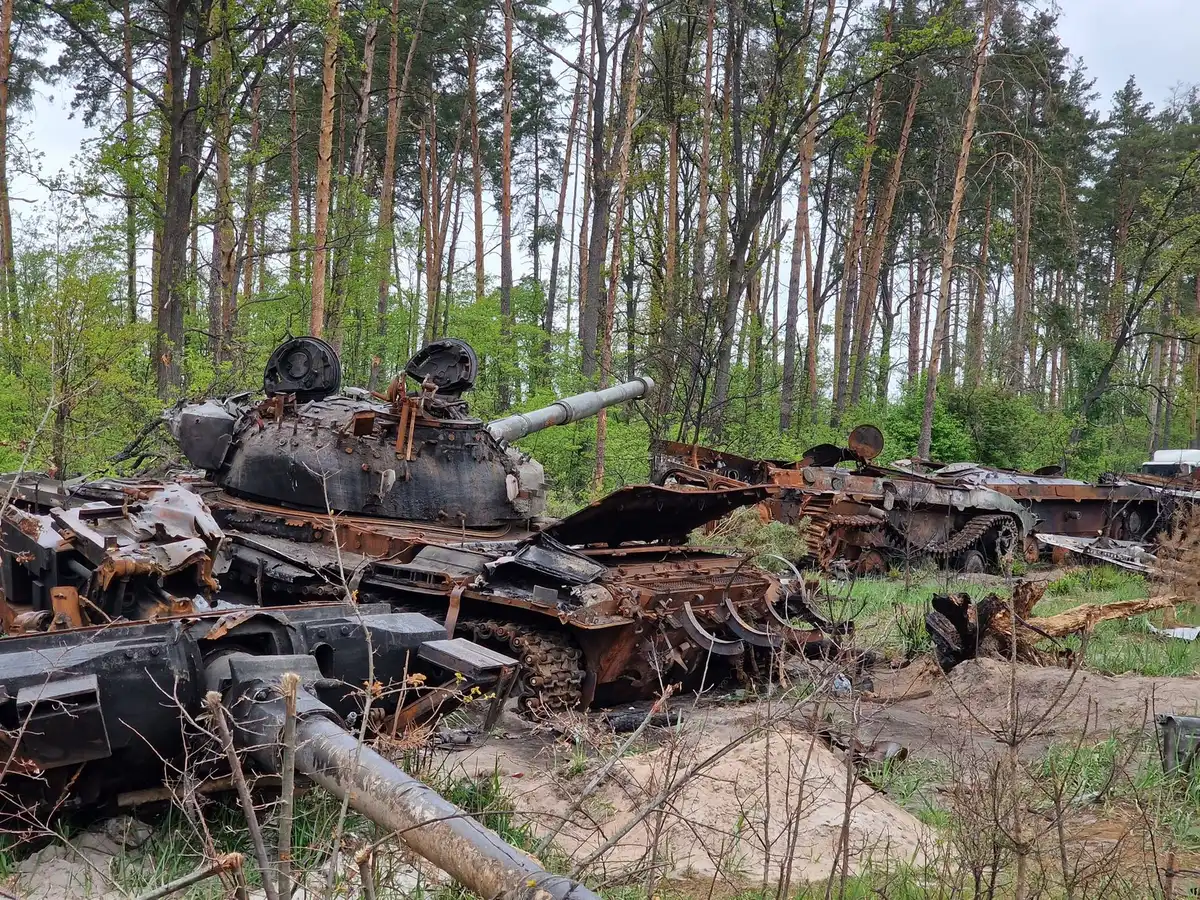
The mounting human cost reflects the intensity of ground combat and Ukraine’s increasingly effective air interdiction campaign against Russian forces. According to CSIS, Russia has relied on attrition tactics using dismounted infantry, drone strikes, and artillery to wear down Ukrainian positions. Ukrainian forces have countered with defense-in-depth strategies, mines, anti-tank obstacles, and their own drone operations, creating what analysts describe as a “kill zone” where movement is lethal.
The casualty gap between Russian and Ukrainian forces has widened dramatically. In the first half of 2026, the Russia-Ukraine casualty ratio reached nearly 8:1, according to CSIS, up from 2:1 to 3:1 earlier in the war. Ukraine has suffered between 525,000 and 625,000 total casualties and between 125,000 and 150,000 fatalities since February 2022, substantially lower than Russia’s toll.
Western Military Support Intensifies
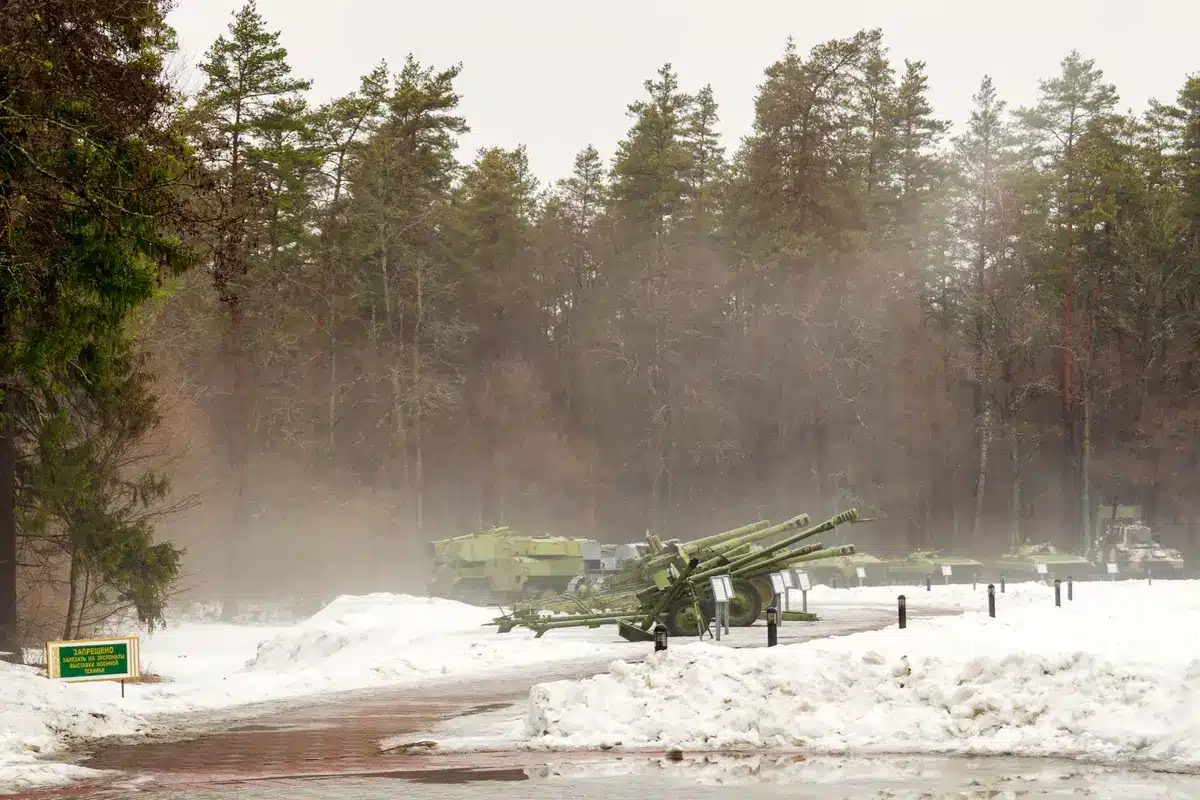
NATO allies have escalated their commitment to sustaining Ukraine’s defense. At the July 2026 NATO summit, member states pledged €70 billion (approximately $80 billion) in military equipment, assistance, and training for Ukraine in 2026, with commitments to provide at least equivalent levels of support in 2027, according to multiple NATO sources and Jane’s Defence Weekly.
The European Union has moved to reduce dependence on U.S. support by establishing direct weapons production partnerships with Ukraine. On July 15, 2026, the EU’s top official signed a letter of intent to establish joint drone and anti-drone production by year’s end, along with anti-tank weapon manufacturing, according to reporting from U.S. News and World Report and the EU’s own statements.
This shift reflects a broader strategic recalibration. As reported by English NV in July 2026, the United States signaled it would continue long-term support for Ukraine but expects European allies to shoulder a far greater financial burden. The move signals that Western pressure on Russia will persist through sustained Ukrainian capability rather than a near-term negotiated settlement.
Russia’s manpower crisis has become acute. A New York Times analysis published July 1, 2026 noted that Russia’s monthly casualty rates of over 30,000 now exceed its recruitment rates of roughly 27,000 new troops per month. This gap means Russia’s fighting force is contracting despite continued mobilization efforts, a dynamic that analysts argue is unsustainable over time.
The territorial consequences are already visible. According to CSIS, Russia’s territorial control in Ukraine shrank in spring 2026, with a net loss of roughly 400 square kilometers in April and May—the first monthly net losses since August 2024. Russian advances have slowed to historically low rates: approximately 50 meters per day around Kostiantynivka, 70 meters around Pokrovsk, and 90 meters around Sloviansk, CSIS found.
Sources
- Center for Strategic and International Studies (CSIS) — Russian casualty figures, monthly rates exceeding recruitment, territorial losses, and casualty ratio analysis
- New York Times — Russia’s monthly casualty rates and recruitment capacity comparison
- NATO official statements — €70 billion military pledge for 2026–2027
- Jane’s Defence Weekly — NATO summit military aid commitments
- U.S. News and World Report — EU-Ukraine joint weapons production agreement
- English NV — U.S. long-term support strategy and European burden-sharing expectations