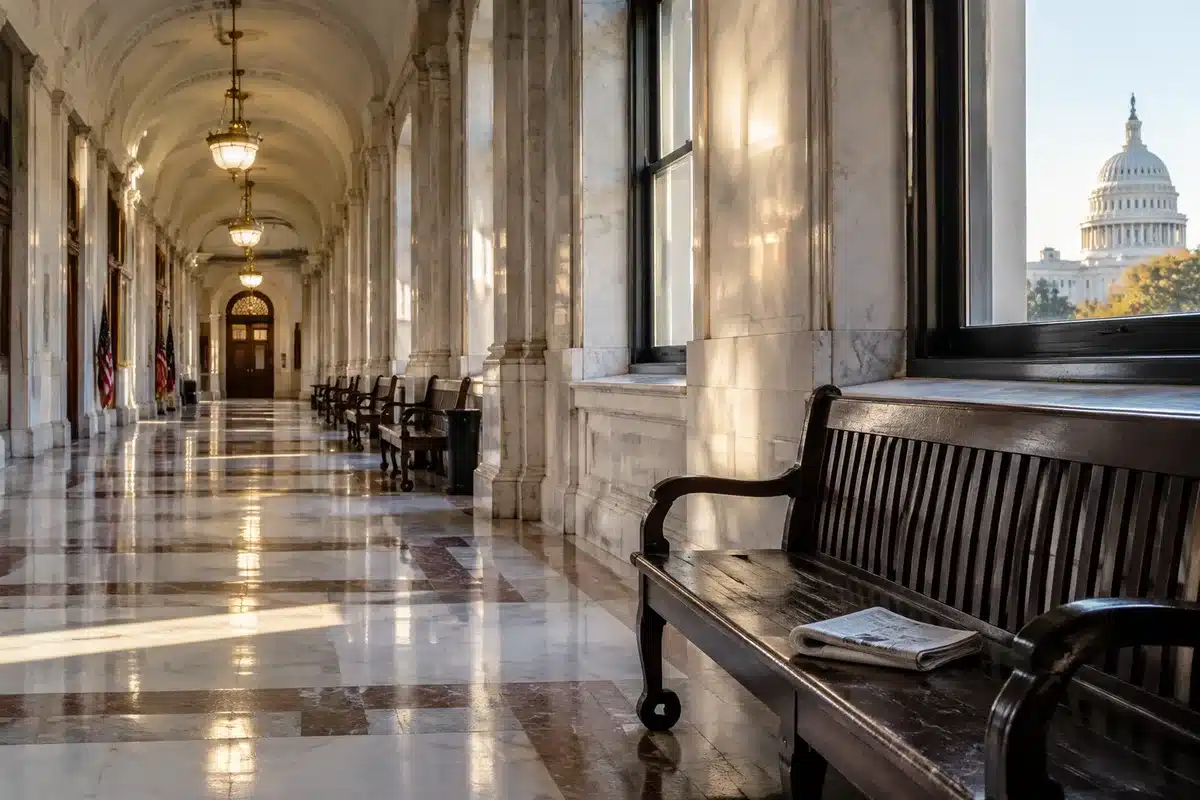
President Trump is expanding a voluntary pledge aimed at protecting American households from rising electricity costs tied to artificial intelligence data centers, extending the commitment to cover 80% of power delivered to U.S. homes and businesses, according to an announcement set for July 23, 2026.
The expansion brings nearly 200 new signatories into the Ratepayer Protection Pledge, including major utilities like Nextera and Duke Energy, state governors, data center developers, and electricity cooperatives. The original pledge, signed by seven tech companies—Amazon, Google, Meta, Microsoft, xAI, Oracle, and OpenAI—in March 2026 committed those firms to pay for the power and infrastructure their data centers require.
Four Republican governors joined the expanded pledge: Louisiana’s Jeff Landry, Georgia’s Brian Kemp, Nebraska’s Jim Pillen, and Idaho’s Brad Little. The announcement will be made at an event where Trump will be joined by Energy Secretary Chris Wright, Environmental Protection Agency Administrator Lee Zeldin, and the four governors.
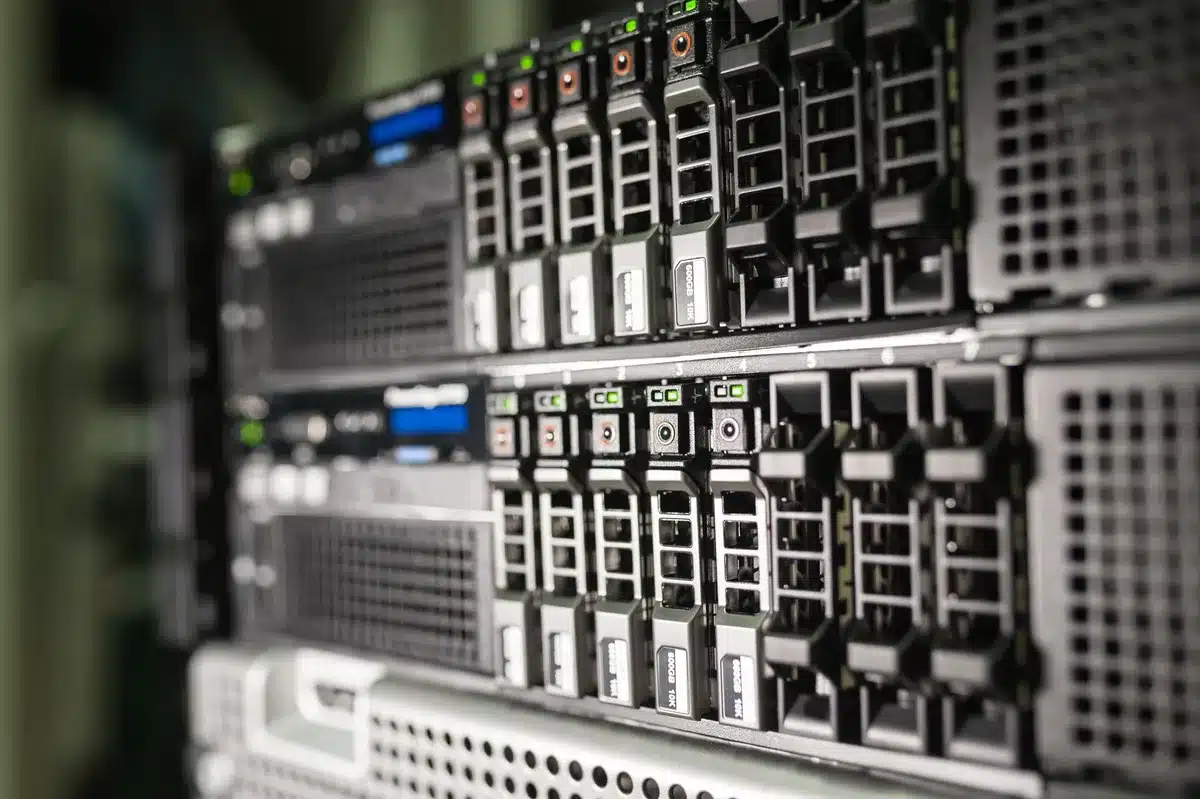
The data center power challenge has become urgent as AI development accelerates electricity demand across the country. AI data centers currently consume about 4% to 6% of U.S. electricity, but that figure is projected to reach as high as 12% by 2028, according to the Department of Energy. Worldwide data center power demand is expected to rise 27% in 2026 and reach 133 gigawatts, up from 105 gigawatts in 2025, according to Gartner.
Under the pledge, data center operators commit to building, buying, or bringing new electricity generation to satisfy their energy demands. They also agree to pay for all new power delivery infrastructure upgrades required to service their data centers—and crucially, to pay these rates whether they ultimately use the electricity or not. Companies also commit to negotiating separate rate structures with utilities and state governments to protect ordinary ratepayers from bearing the cost of data center expansion.
The commitment reflects growing concern among voters and policymakers about energy affordability. While Trump promised during his campaign to cut energy costs in half, electricity prices have instead risen faster than inflation in many parts of the country. Electricity prices were up 4% year-over-year in June, according to the Bureau of Labor Statistics, and residential electric bills have climbed from an average of 15.9 cents per kilowatt-hour in January 2025 to 17.2 cents by the end of December 2025.
The White House framed the expansion as a way to ensure that data center growth becomes an engine for local economic development. Under the pledge, companies commit to investing in job creation and workforce development in the communities where they build facilities, and to coordinate with grid operators to make available their backup power resources during blackouts or times of grid stress to enhance community resilience.
The original pledge, announced during Trump’s State of the Union address in February 2026, was framed as a way to address rising consumer energy costs while maintaining America’s technological leadership in AI. At the time, Trump said the plan would help shield residents from higher electricity costs in areas where AI data centers are being built. However, experts have noted that the pledge remains voluntary and lacks binding enforcement mechanisms, meaning companies could still opt out or find ways to minimize their contributions.
The expansion also comes as some states have begun taking independent action on data center regulation. New York recently imposed a moratorium of up to one year on construction of new large data centers while it develops a regulatory framework to address concerns about environmental and infrastructure impacts.
Sources
- The Hill — Confirmed the expansion to 80% of U.S. delivered electricity, nearly 200 new signatories including Nextera and Duke Energy, and the four GOP governors signing on.
- Reuters — Reported Trump’s July 22 announcement of the expanded pledge.
- White House — Provided the original Ratepayer Protection Pledge framework and commitments.
- Los Angeles Times — Detailed the original March 2026 pledge signed by seven tech companies and provided context on data center power demand projections and electricity price trends.
- Department of Energy — Cited for data center electricity consumption projections (4–6% current, up to 12% by 2028).
- Gartner — Provided worldwide data center power demand growth figures (27% rise in 2026, reaching 133 GW from 105 GW).
- Bureau of Labor Statistics — Reported June 2026 electricity price year-over-year increase of 4% and historical average rates.