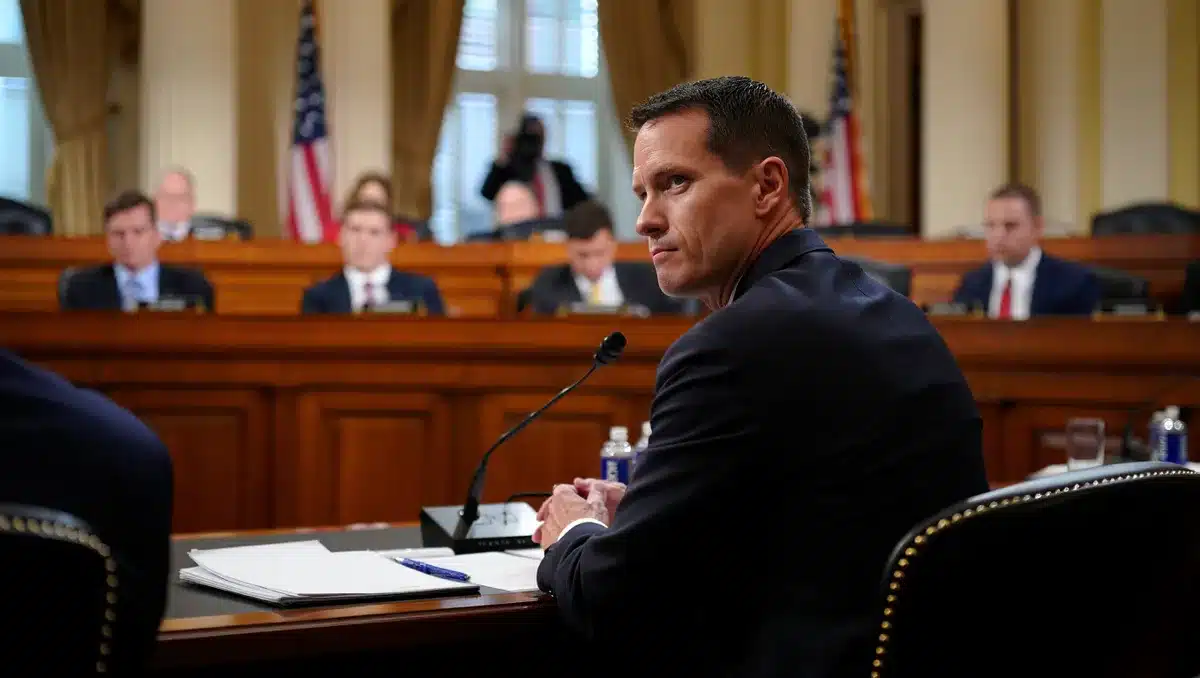
The U.S. Secret Service is operating in one of the most dangerous threat environments in its history, with the agency reporting a 40% surge in cases involving threats to President Trump and other protectees so far in 2026. Secret Service Director Sean Curran told lawmakers this week that security threats have reached unprecedented levels during his 24-year career with the agency, describing the current landscape as marked by surging political violence, assassination attempts, and emerging drone threats.
The agency has opened more than 10,000 investigations into threats against government officials this year, compared to the same period last year, according to multiple Secret Service officials. The volume and severity of these threats are increasing rapidly, forcing the agency to overhaul its protective strategies and reassess security protocols for major events.
One of the most alarming metrics is the spike in mental health committals. Secret Service officials noted they have had 10 times the number of mental health committals of people suspected of making threats to protectees compared to the previous year, indicating a dramatic shift in the nature of threat actors.
The April 25, 2026 shooting at the White House Correspondents’ Dinner underscored the volatility of the current environment. An armed man, Cole Tomas Allen of California, breached a security checkpoint at the Washington Hilton Hotel in an attempt to assassinate President Trump. Secret Service officers tackled Allen before he could reach the ballroom where Trump and other top administration officials were present. Allen has been charged with attempting to assassinate the president.
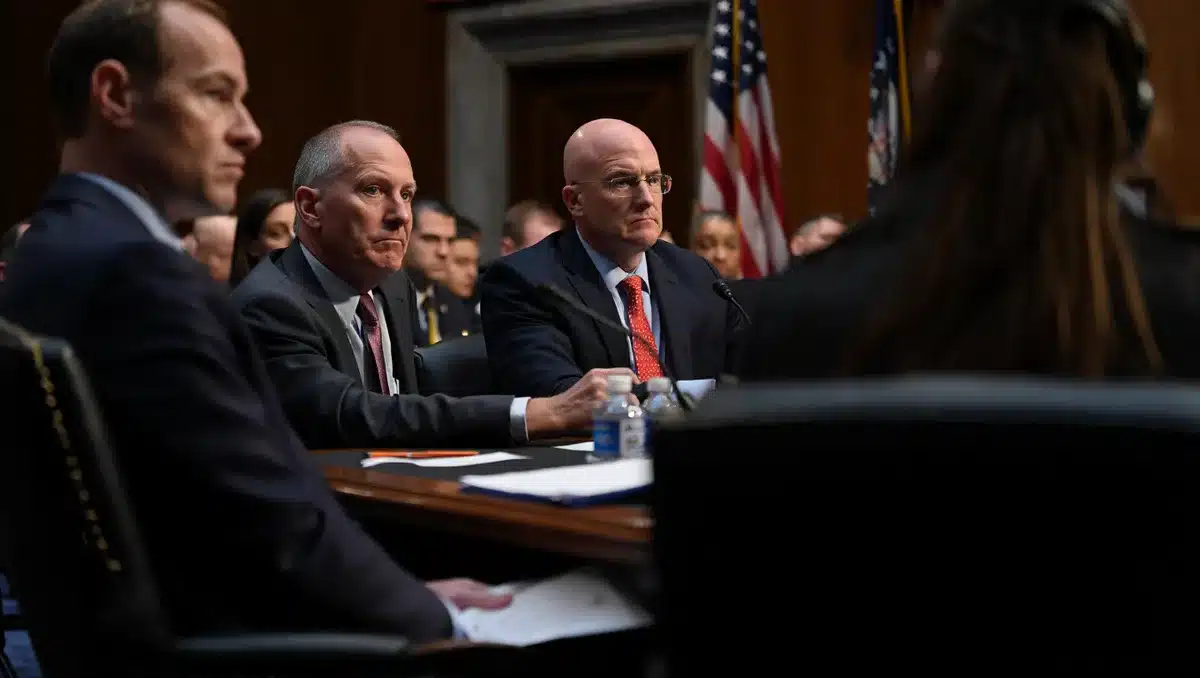
The incident prompted a comprehensive reevaluation of security measures. Secret Service Deputy Director Matthew Quinn acknowledged that the agency had previously underestimated the protection needed for a former president seeking office, and that security protocols have been substantially revised since then. The rescheduled White House Correspondents’ Dinner, now set for Friday at the Waldorf Astoria in Washington, will test new security procedures designed to close vulnerabilities exposed by the April attack.
According to the Princeton School of Public and International Affairs’ Bridging Divides Initiative, 2025 saw serious escalation in the risk environment for political violence, and conditions have continued to worsen so far in 2026. Shannon Hiller, the executive director of the initiative, stated, “The data is clear: The risk of political violence intensified last year, and it’s continued to worsen so far in 2026.”
Emerging drone threats
Among the fastest-growing concerns for the Secret Service is the proliferation of drones as weapons. Officials warned that drones can approach a venue from outside traditional security perimeters and cannot be stopped by magnetometers or other screening measures used for people entering an event.
The FBI reported this week that it seized more than 700 illegal drones and detected 1,600 in total across 11 U.S. stadiums during the World Cup, creating constant and challenging threats for venues packed with thousands of people. Deputy Director Matthew Quinn told lawmakers that the threat is rapidly growing and that drone technology is advancing faster than protective measures can adapt. “Look at Ukraine, look at just basic intelligence. It’s a matter of time before it comes to the United States. It’s happening on the border. We know that,” Quinn said.
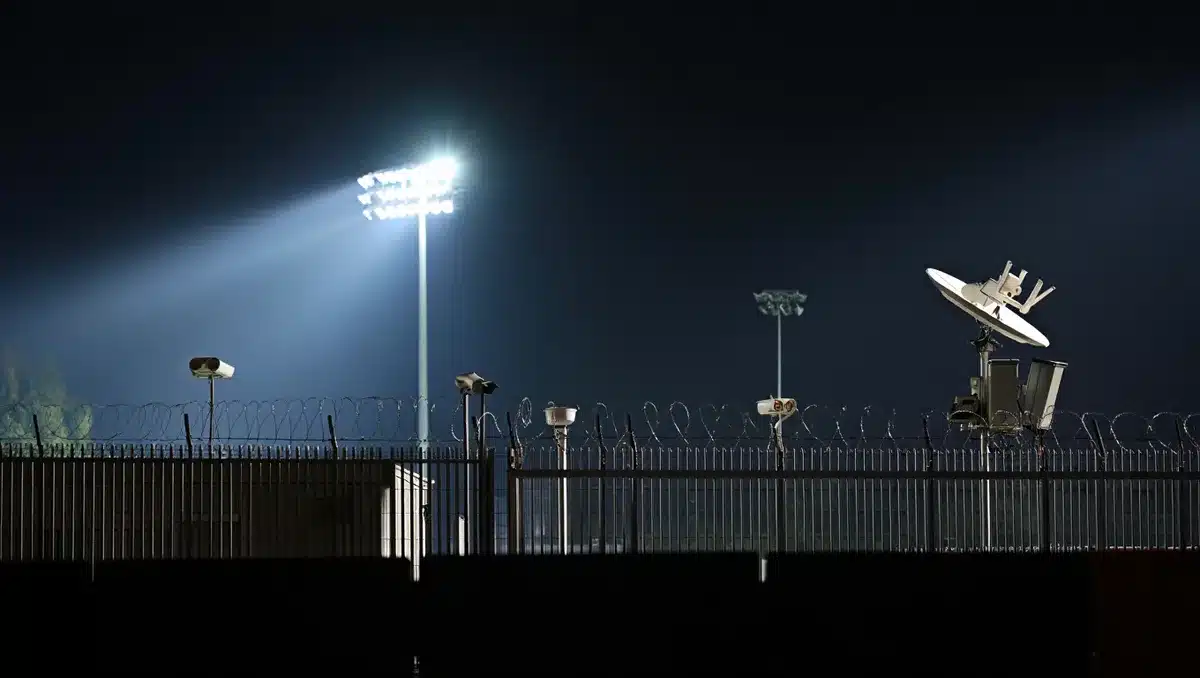
The Secret Service and other agencies have expanded investments in counter-drone technology. Quinn emphasized the sophistication of emerging threats: “The threat continues to get tougher and tougher. You’re talking fiber-optic controlled drones now, dark drones. So it’s a constant chase to keep up with it.” He added that the White House is “very safe from attack” due to cutting-edge technology being deployed at all protected sites.
Secret Service Director Curran defended the agency’s security planning and emphasized that threat detection has evolved to help identify potential attackers before they can reach an event. Nina Alathari, chief of the National Threat Assessment Center, explained that threat detection focuses on identifying suspects and acting before an attack can be carried out, with most attackers motivated by a grievance that becomes a fixation.
Sources
- CNBC — 40% increase in threat cases to 10,000 in 2026, mental health committal spike, April WHCA dinner shooting details, Deputy Director Quinn’s drone threat assessment.
- Local 10 — Secret Service Director Curran’s statement on heightened threat level, assassination attempts, drone concerns, and counter-drone technology deployment.
- ECIKS — Threat environment described as most volatile in agency history, April shooting details, drone proliferation concerns, FBI seizures of illegal drones, Princeton Bridging Divides Initiative data on political violence escalation.
- ABC News — Mental health committal spike of 10 times previous year, 10,000 threat cases representing 40% increase.
- Princeton School of Public and International Affairs — 2025 saw serious escalation in political violence risk environment, and conditions have continued to worsen in 2026.