
Alphabet posted strong second-quarter 2026 earnings but saw its stock fall sharply after raising capital expenditure guidance, signaling that Wall Street’s patience with Big Tech’s massive AI spending is wearing thin. The Google parent reported revenue of $119.8 billion, beating analyst estimates of $117 billion, and adjusted earnings per share of $9.11, far exceeding the $2.88 consensus forecast.
The earnings beat was driven by robust cloud growth and advertising strength. Google Cloud revenue surged 82% year-over-year to $24.8 billion, exceeding analyst expectations of 63% growth and demonstrating accelerating customer adoption of AI services. Advertising revenue climbed to $81.6 billion, slightly above the $81.3 billion estimate, while search revenue of $63.3 billion came in marginally below the $63.4 billion forecast.

The stock market’s reaction came not from the earnings themselves but from Alphabet’s expanded capex guidance. During the earnings call, the company raised its 2026 capital expenditure forecast to $195 billion to $205 billion—with a midpoint of $200 billion—up from its prior guidance of $180 billion to $190 billion. Shares dropped as much as 4.7% in late trading after the announcement, despite the initial earnings report trading mostly flat.
Alphabet’s capex spending reflects the enormous infrastructure costs required to build and maintain AI compute capacity. The company reported second-quarter capex of $44.9 billion, a 101% increase from the prior year, and warned that 2027 spending will “significantly increase” as well. The elevated spending has resulted in negative free cash flow of $5.9 billion for the quarter, a stark reversal from typical cash generation.
The capex hike underscores a broader pattern across Big Tech. Microsoft stock fell as AI capex concerns weigh on gains, and Meta, Amazon, and Microsoft have all raised their own spending guidance in recent months. Combined, the four largest tech companies plan to spend roughly $725 billion on capital expenditures in 2026, according to recent analysis—a 77% increase from 2025 and a reflection of the unprecedented competition to dominate artificial intelligence.
Investor Concerns Over AI Returns
The market’s skepticism reflects a fundamental question: will these massive expenditures on AI infrastructure eventually generate sufficient returns to justify the investment? Analysts view the spending as a necessary bet on AI dominance, but many warn of near-term pressure on free cash flow and profit margins. Bloomberg reported that Alphabet’s guidance “stoked concern the company will ditch fiscal discipline in the race to dominate artificial intelligence.”
Alphabet has attempted to address investor concerns by announcing plans in June to raise $80 billion through equity sales to fund its 2026 and 2027 capex. The company also signaled it would expand use of third-party cloud capacity as a bridge to meet demand while managing its own infrastructure constraints, a strategy aimed at balancing growth with cash preservation.
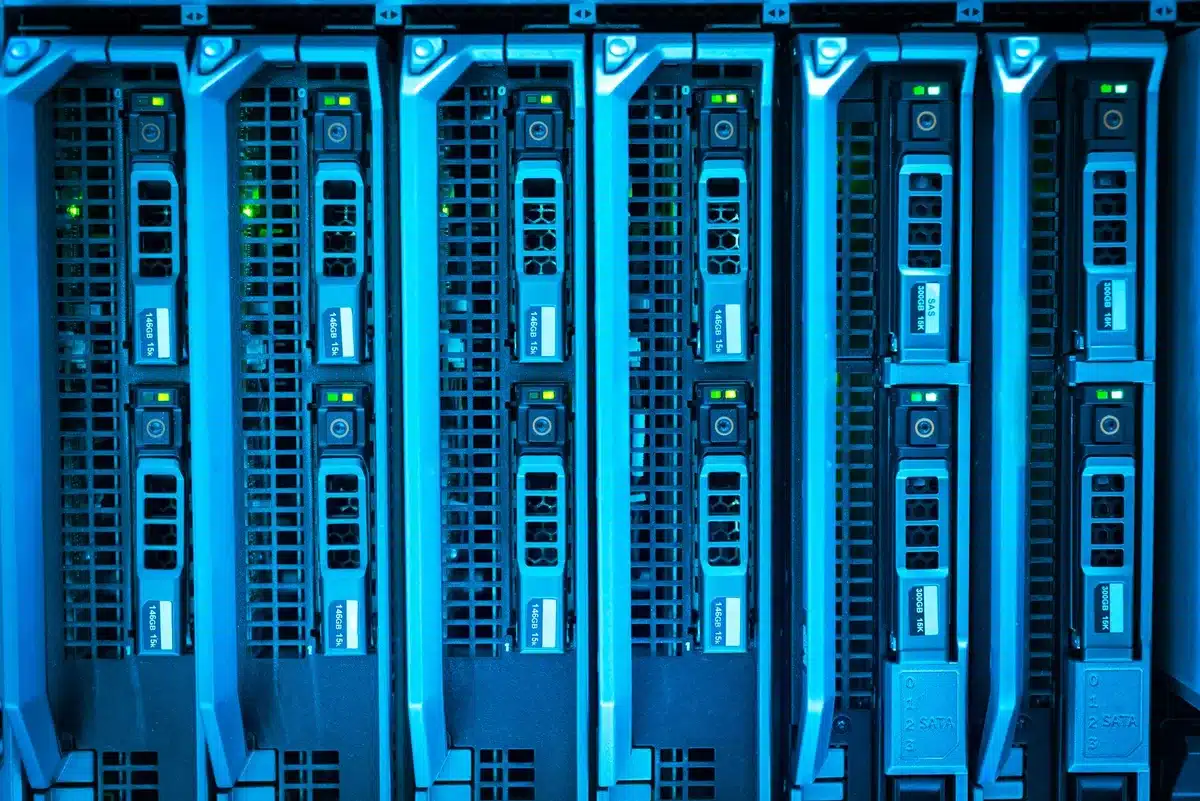
The market’s reaction to Alphabet’s earnings underscores a shift in investor sentiment toward Big Tech. While the company’s cloud business is accelerating and its core advertising remains strong, the scale of capex spending has become the dominant driver of stock performance. Alphabet set to report Q2 earnings on July 22 amid AI spending scrutiny, and the results confirm that earnings strength alone may not be enough to sustain investor confidence if spending growth outpaces revenue growth. As other tech giants report earnings in the coming weeks, the market will likely scrutinize their capex guidance with similar intensity.
Sources
- Barron’s — Q2 earnings results, capex guidance increase, and stock reaction details
- Bloomberg — Capex midpoint of $200 billion, investor concerns about fiscal discipline
- Seeking Alpha — Cloud revenue growth, capex guidance range, and management commentary
- Yahoo Finance — Q2 revenue figures and analyst expectations