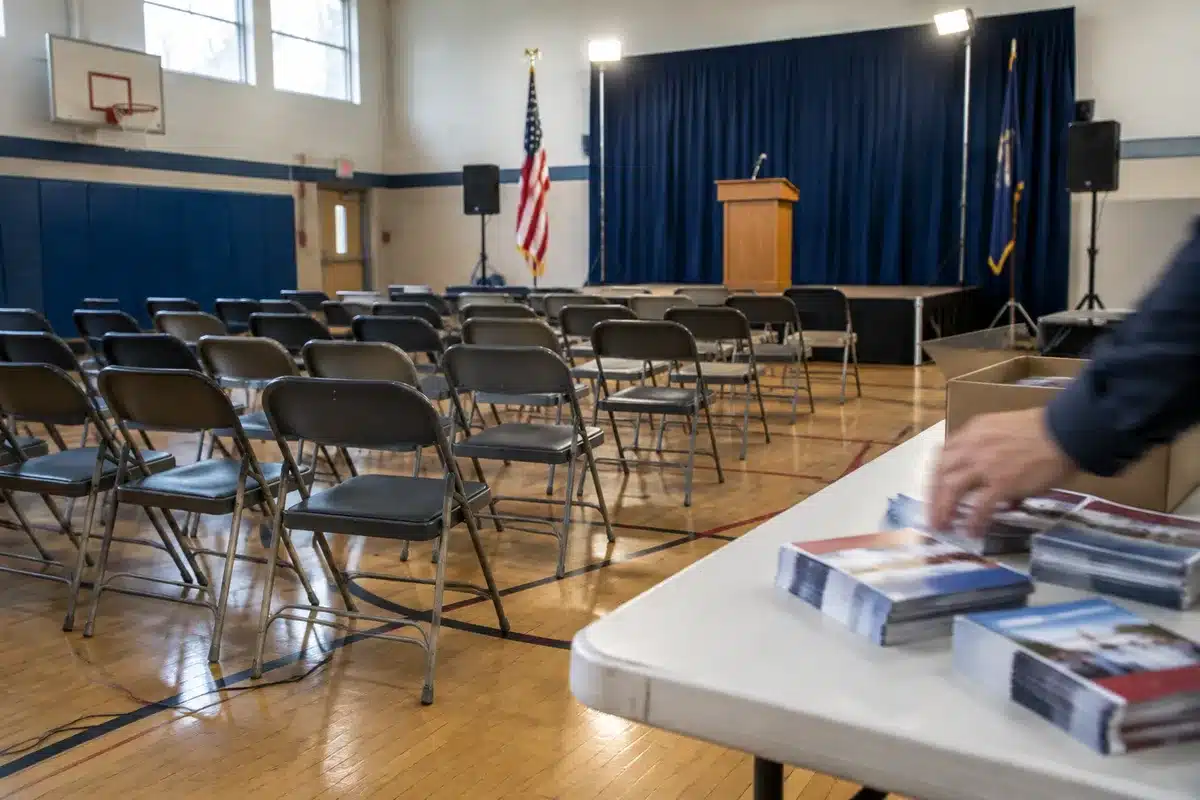
The U.S. Secret Service says the threat environment it faces is the most volatile in its history, with leaders describing a dangerous landscape marked by surging political violence, assassination attempts, and emerging drone threats that have forced the agency to overhaul its protective strategies.
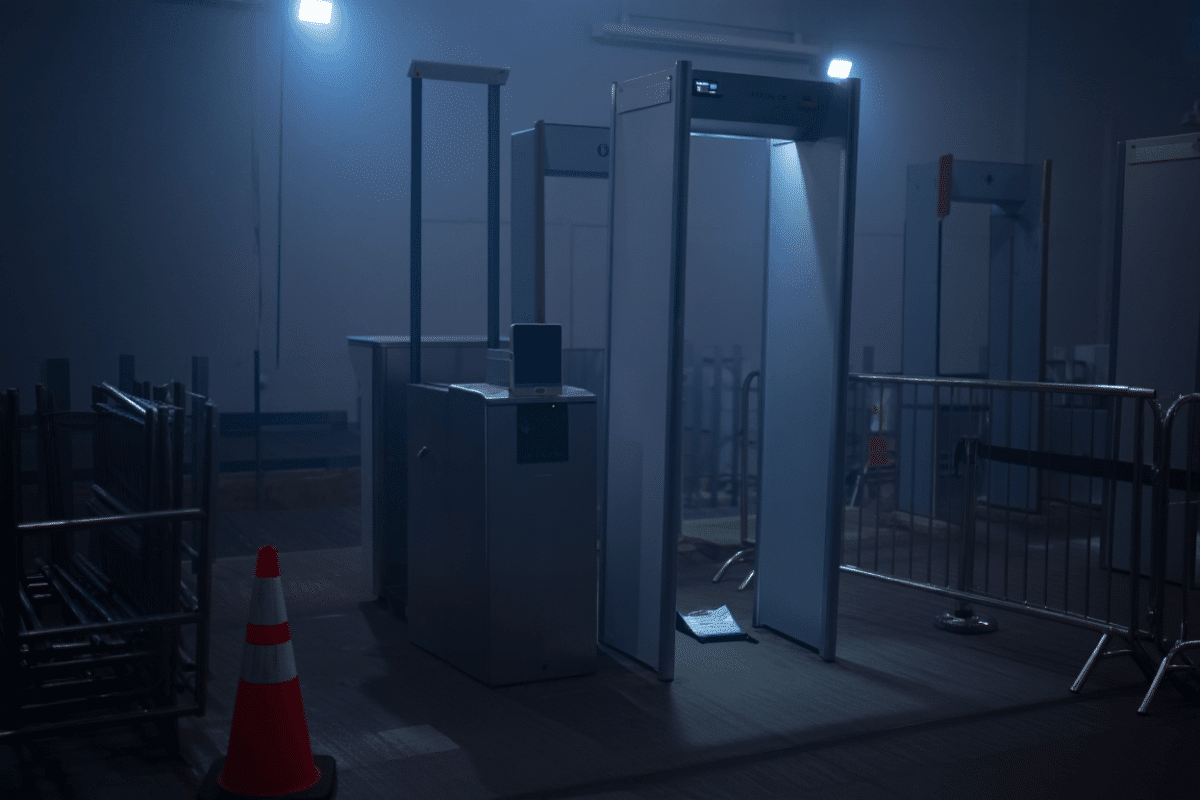
Secret Service Director Sean Curran told lawmakers this week that security threats are on the rise, citing the April 25 shooting at the White House Correspondents’ Dinner when a gunman rushed a security checkpoint in an attempt to harm President Trump. The incident, which forced the president’s evacuation, underscored the volatility of the current environment and prompted the agency to reevaluate how it prepares to secure locations and what security measures should look like.
Law enforcement officials have warned of an unprecedented increase in threats against politicians, judges, prosecutors, and other high-profile figures in recent years as political violence has become more common across the United States. According to the Princeton School of Public and International Affairs’ Bridging Divides Initiative, 2025 saw serious escalation in the risk environment, from high-profile assassinations to aggressive federal immigration operations. “The data is clear: The risk of political violence intensified last year, and it’s continued to worsen so far in 2026,” said Shannon Hiller, the executive director of the initiative.
The ongoing war in Iran has also heightened concerns about foreign actors targeting the president. Curran emphasized that the agency must treat each location as a unique challenge requiring fresh assessment. “If the president goes to the same site 100 times, we will send an advance team there 100 times because things change, the environment changes, the actual footprint will change,” he said.
Among the fastest-growing concerns for protective agencies is the proliferation of drones, which can approach a venue from outside traditional security perimeters and cannot be stopped by magnetometers or other screening measures used for people entering an event. The FBI said this week it had seized more than 700 illegal drones and detected 1,600 in total in 11 stadiums around the United States during the World Cup, creating constant and challenging threats for venues packed with thousands of people. Deputy Director Matthew Quinn told lawmakers that the threat is rapidly growing. “We look at Ukraine, we look at just at basic intelligence. It’s a matter of time before it comes to the United States. It’s happening on the border. We know that, so it’s absolutely top priority, top of mind, and it comes down to what we’re doing to detect and mitigate,” Quinn said.
The Secret Service and other agencies have expanded investments in counter-drone technology as officials warn the threat landscape is evolving faster than protective measures can adapt. The rescheduled White House Correspondents’ Dinner, now set for Friday at a different venue—the Waldorf Historia, the former site of a Trump International Hotel—will test new security protocols. The original April event exposed vulnerabilities in how guests could access the main lobby and lower floors without going through security checkpoints until near the ballroom.
Curran defended the agency’s security planning at the original dinner, saying the perimeter worked as designed and agents were prepared for confrontations at the magnetometers. “We have to start and end our perimeter somewhere,” he said. “We do expect things to happen at the magnetometers, unfortunately. But that’s why they are there, and that’s where it happened, and that’s where it ended. So, it did work, the system worked. We can’t shut down an entire community when we have an event.”
Officials said physical security is only part of protecting the president, and much of the work focuses on identifying attackers before they can reach an event. Nina Alathari, chief of the National Threat Assessment Center, explained that threat detection has evolved to help identify potential suspects and act before an attack can be carried out. “The most common motive why someone carries out an attack is typically related to a grievance, and that grievance could be focused on a person, or an idea, or an ideology that becomes a fixation and negatively impacts every aspect of their life to the point where they want to take revenge,” she said.
Sources
- KMPH — Secret Service description of threat environment as “highly volatile,” details on April shooting, drone concerns, and counter-UAS preparations.
- Princeton School of Public and International Affairs — Data on political violence escalation in 2025 and 2026 from the Bridging Divides Initiative.
- The National Desk — Secret Service leadership statements on threat assessment and security protocols.