The United States completed its 11th consecutive night of strikes on Iran on July 21, as Secretary of State Marco Rubio said Tehran is not serious about negotiations to end the conflict, despite Washington’s willingness to pursue talks.
At 8:15 p.m. ET on July 21, U.S. Central Command (CENTCOM) successfully completed the latest round of precision strikes, targeting Iranian military operations centers, maritime capabilities, aircraft hangars, drone storage facilities, and military logistics infrastructure. The strikes aim to degrade Iran’s ability to threaten commercial shipping in the Strait of Hormuz.
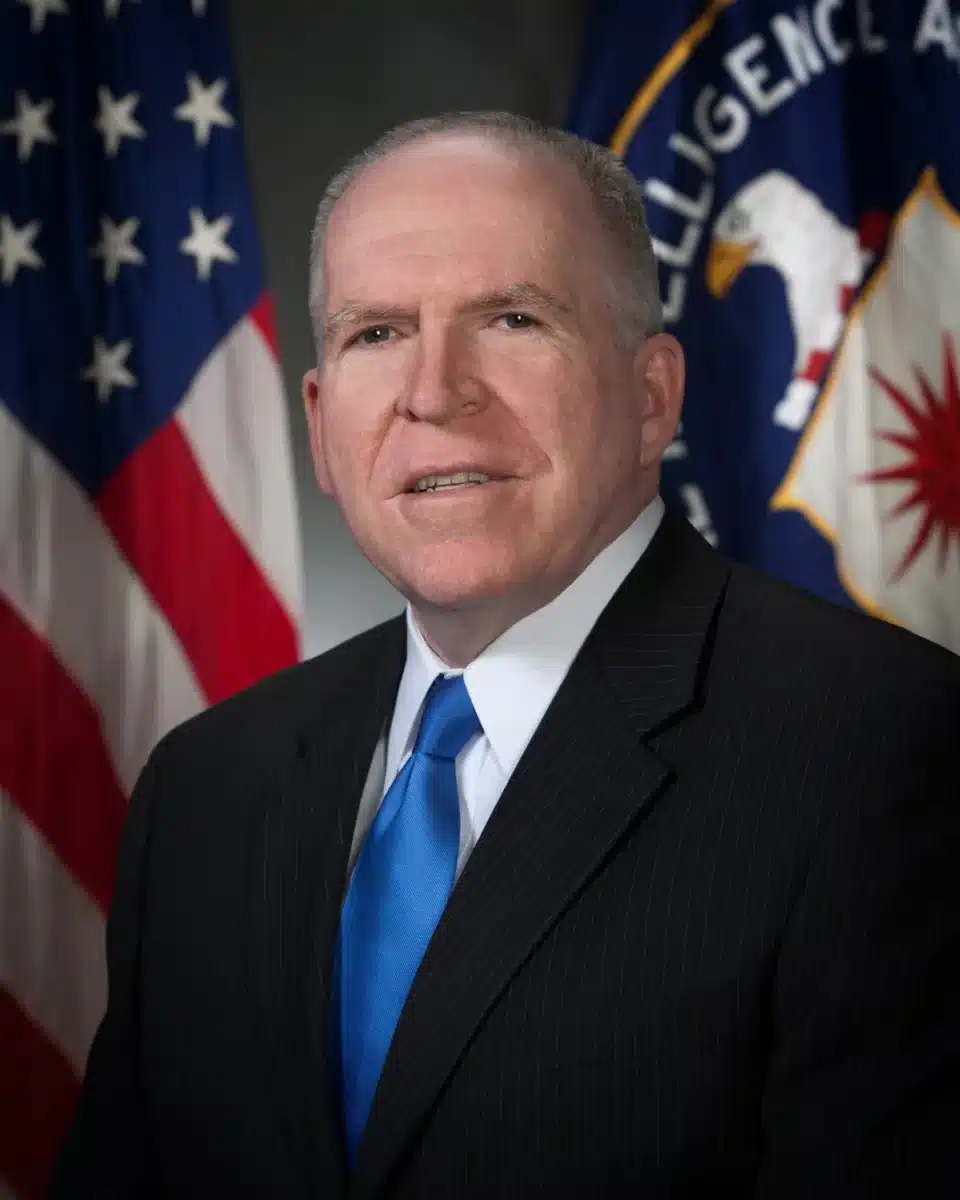
Speaking in Manila on July 22 at a meeting of Southeast Asian foreign ministers, Rubio stated that the United States remains committed to diplomacy. “The problem we’re having right now is that they’re not serious about talks,” Rubio said. “If they’re serious, we’re serious. If they’re not, then we will do what’s necessary to protect our interests, and also the interests of our allies.”
The strikes resumed after the collapse of a June 2026 ceasefire agreement. Over the past three months, Iran has attacked more than 30 commercial vessels transiting the Strait of Hormuz, according to CENTCOM. Despite these attacks, the waterway remains open for commercial traffic—CENTCOM forces have facilitated the transit of approximately 900 commercial vessels and 450 million barrels of crude oil since early May.
The human toll of the escalating conflict is mounting. President Trump confirmed that 18 U.S. service members have been killed so far in the war. An Iranian health ministry official told Reuters that recent U.S. strikes killed 50 civilians and wounded 500 others.
Rubio stressed that Iran cannot be allowed to control the Strait of Hormuz. “If we create a precedent in the Middle East where a nation state can decide that they are going to control an international waterway, charge a toll, and if you don’t pay them blow up your ships, we have created a very dangerous precedent, which will repeat itself in other parts of the world,” he said.
The conflict began on February 28, 2026, when U.S. and Israeli forces launched the initial strikes on Iran. A temporary ceasefire followed, but tensions reignited in early July as Rubio warned Iran of consequences as US-Iran talks continue at ASEAN summit. Iran’s army claimed it retaliated early on July 22 by targeting U.S. military facilities in Kuwait, Jordan, and Bahrain with drones, striking accommodation buildings and equipment storage facilities.
Sources
- U.S. Central Command (CENTCOM) — official statement on the 11th night of strikes, targets, and Strait of Hormuz vessel transits
- Reuters — Rubio’s statements on July 22, quotes on negotiations, casualty figures, and Iranian health ministry claims
- Al Jazeera — details on the 10th night of strikes and Iranian military claims