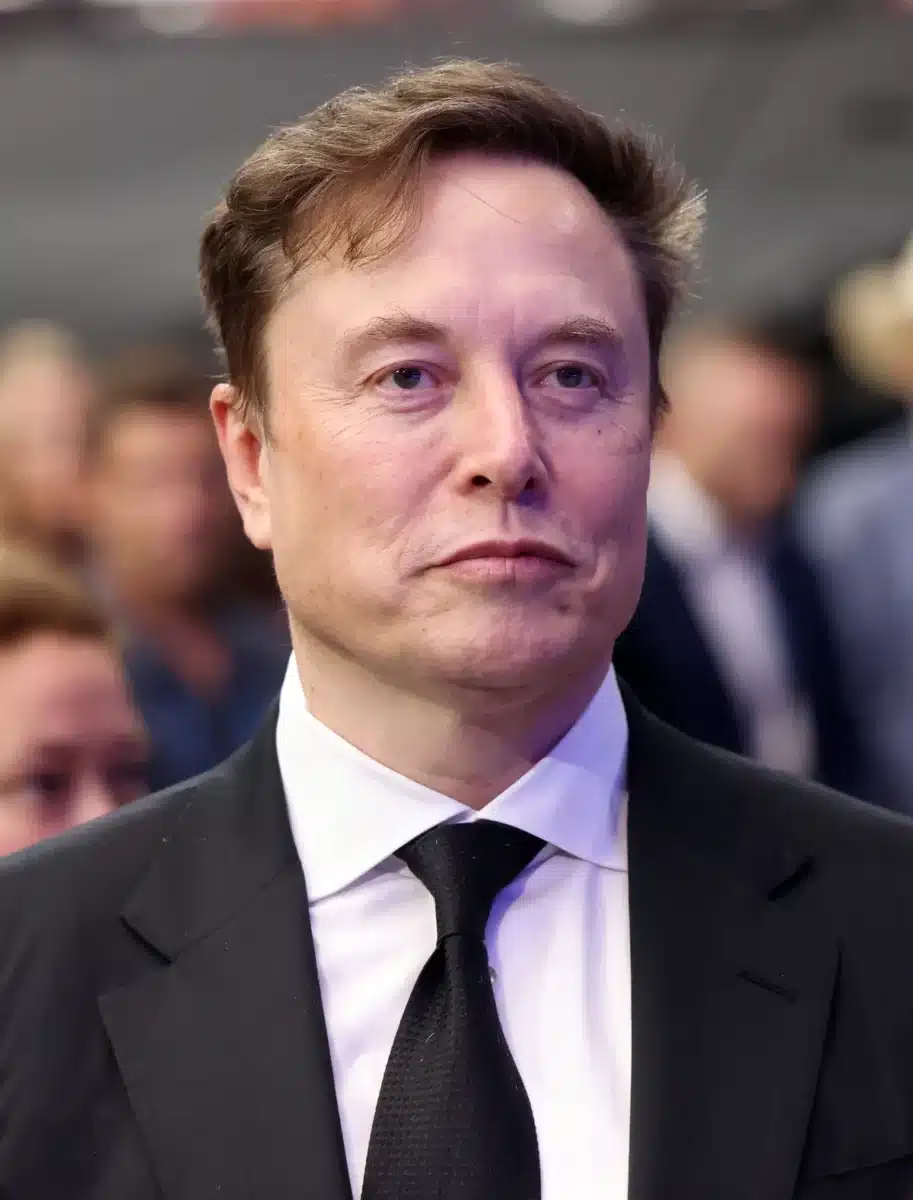
Andy Burnham became the United Kingdom’s prime minister on July 20, 2026, following his unopposed election as Labour Party leader three days earlier, pledging to “rewire” Britain’s economy and shift power from London to struggling regions across the country.
The 56-year-old former mayor of Greater Manchester is the seventh prime minister to take office in just over a decade, a turnover that reflects sustained political turbulence in British governance. He was acclaimed as Labour leader on July 17 at a special party conference, receiving the highest number of MP nominations ever recorded in a modern Labour leadership contest, and formally accepted King Charles III’s invitation to form a government earlier today.
In his first speech as Labour leader, Burnham pledged to deliver what he called “the most significant moment in our politics for 40 years,” promising a government focused on making life more affordable and reducing regional inequalities. He vowed to “be a leader for the North, the South, the East and the West, for Scotland, Wales and for Northern Ireland.” His policy framework, which he terms “Manchesterism,” draws directly on his experience regenerating Greater Manchester after nearly a decade as its elected mayor.
A Vision Built on Manchester’s Economic Model
Burnham’s central pledge is to accelerate devolution—shifting control over housing, utilities, transport, and education away from central government in London toward local communities and cities. Britain ranks among the most financially centralized countries in the developed world, according to OECD data, a concentration Burnham argues has widened inequality between London and the rest of the country.
He cites Manchester’s integrated Bee Network, a public transport system that drew people back into buses and trams, as a concrete example of “Manchesterism” in action. Under his leadership as mayor, Manchester’s economy became one of the fastest-growing municipal economies in the United Kingdom, with a skyline transformation from post-industrial decay to glass skyscrapers and regenerated canal-side arts districts.
On taxation and spending, Burnham has committed to honoring Labour’s 2024 manifesto pledge not to raise taxes on working people, ruling out increases in income tax, employee National Insurance, and value-added tax. He has also committed to keeping the triple lock, a policy that raises the state pension each year in line with inflation, average earnings growth, or 2.5%—whichever is highest. For utilities, he has signaled greater state control without committing to full re-nationalization, though he said he could see a case for public ownership of the debt-laden Thames Water.
Burnham’s return to Parliament came only weeks ago, when he won a by-election in the northern constituency of Makerfield after leaving Westminster nearly a decade earlier. That quick ascent reflects his status as one of Britain’s most popular politicians, a reputation built largely on his outspoken defense of the North during the COVID-19 pandemic. In October 2020, during a televised news conference, he angrily lashed out at the central government over confusing lockdown rules, declaring “This is no way to run the country in a national crisis,” and predicting the restrictions would hurt lower-paid workers often forgotten by those in power. The moment went viral and established him as a different kind of politician.
Sources
- Al Jazeera — Burnham’s transition to PM, the mechanics of power transfer, and his pledges on affordability and regional inequality
- NPR — Burnham’s background, his work as Manchester mayor, his COVID-era outburst, his popularity, and his “Manchesterism” vision
- Reuters — Details on Burnham’s “Manchesterism” model, devolution plans, fiscal commitments, utilities policy, and his bid to “rewire” Britain’s economy
- Wikipedia (2026 Labour Party leadership election) — Confirmation that Burnham received the highest number of MP nominations in a modern Labour contest and was acclaimed on July 17, 2026