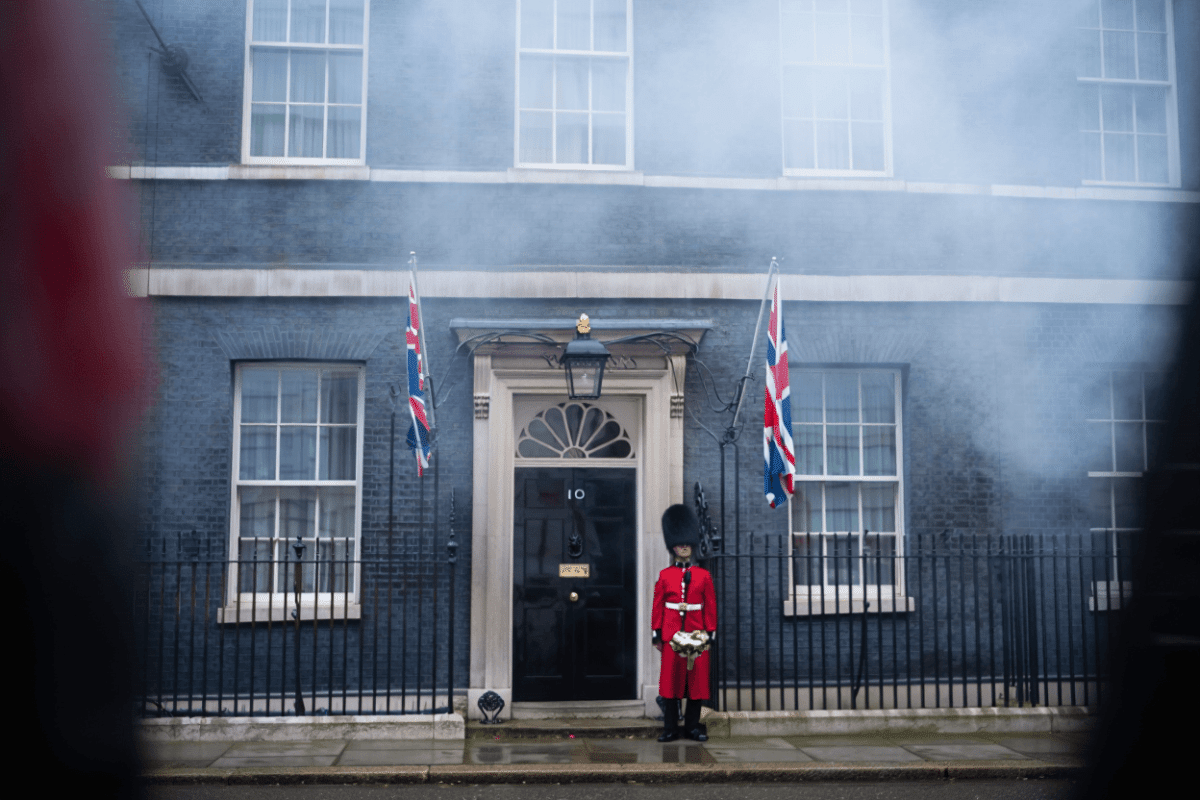
Andy Burnham will become the UK’s seventh prime minister in a decade when he takes office on Monday, July 21, following his election as Labour leader on Friday.
Burnham, 56, was elected leader of Britain’s governing Labour Party on Friday at a special conference, clearing his final hurdle to becoming prime minister. He was the only contender in the race, which was triggered by Keir Starmer’s announcement on June 22 that he would resign due to a lack of confidence in his leadership from within the party.
The former mayor of Greater Manchester, known as the “King of the North” for his determination to defend his region’s interests, told the conference he was ready for power. “We are united and we put the power that comes from that unity at the service of people and places who have been waiting too long for politics to let them hope again,” he said, according to Reuters. “And that’s what we’re going to do, everybody, we’re going to give them hope back.”
Starmer had served as prime minister for less than two years before announcing his resignation. His departure came amid intense internal party pressure and public dissatisfaction with his leadership, as the UK faced political upheaval and economic stagnation. When Burnham takes office, Britain will have cycled through seven prime ministers since 2015—a pace that reflects extraordinary political instability for a major democracy.
Burnham’s election marks a significant moment for Labour, which had pledged to bring stability after years of Conservative Party turmoil. In his leadership speech, he sketched out a domestic agenda centered on what he called the “biggest rebalancing of power” to Britain’s regions, a strategy he believes will reduce inequality and counter the rising support for populist parties. He specifically pledged to thwart the rise of Reform UK, the populist party that has topped opinion polls for months and won seven seats at the last election.
He told the conference that Labour could fight the threat from both Reform UK and the leftist Green Party not by trying to “out-Green the Greens or out-Reform Reform” but instead being “boldly, confidently, authentically us—Labour”. He promised that “the government I lead will confidently lay that path out, starting next week,” calling the change moment “the most significant change moment in our politics for 40 years,” according to Reuters.
Burnham said he had not yet decided on his cabinet but would make sure it “reflects all parts of our party, all communities”. He plans to announce his top team on Monday when he takes office. The TUC, Britain’s umbrella group for trade unions, called on him to “hit the ground running and focus relentlessly on improving the living standards of working people,” according to Reuters.
Sources
- Reuters — Burnham’s election as Labour leader, his speech pledging to thwart Reform UK, his plans for cabinet and regional power-sharing, and the context of him becoming the seventh PM in a decade
- The New York Times — Confirmation that Burnham will become the seventh prime minister in a decade on Monday, and the broader political upheaval and economic stagnation context
- BBC — Confirmation of Burnham replacing Keir Starmer and the timing of his office-taking
- The Washington Post — Confirmation that Burnham became Labour leader on Friday and will take office on Monday at 10 Downing Street
- PBS — Burnham’s background as former mayor of Greater Manchester and his unopposed status in the leadership race