Cuba’s national power grid collapsed on July 14, marking the third major blackout in nine days and plunging approximately 10 million people into darkness as the island’s energy crisis deepens. The Cuban energy ministry announced the “total disconnection of the electrical system” on social media, according to Reuters reporting from Havana.
The collapse stems from a convergence of two forces: a U.S.-imposed oil blockade that has crippled fuel supplies, and aging thermoelectric plants that form the backbone of Cuba’s electricity infrastructure. President Donald Trump imposed the blockade after Washington removed Venezuelan President Nicolás Maduro from power on January 3, cutting off the Caribbean island’s primary fuel supplier. Subsequent U.S. pressure also led Mexico to halt oil shipments to Cuba, further strangling the island’s energy supply.
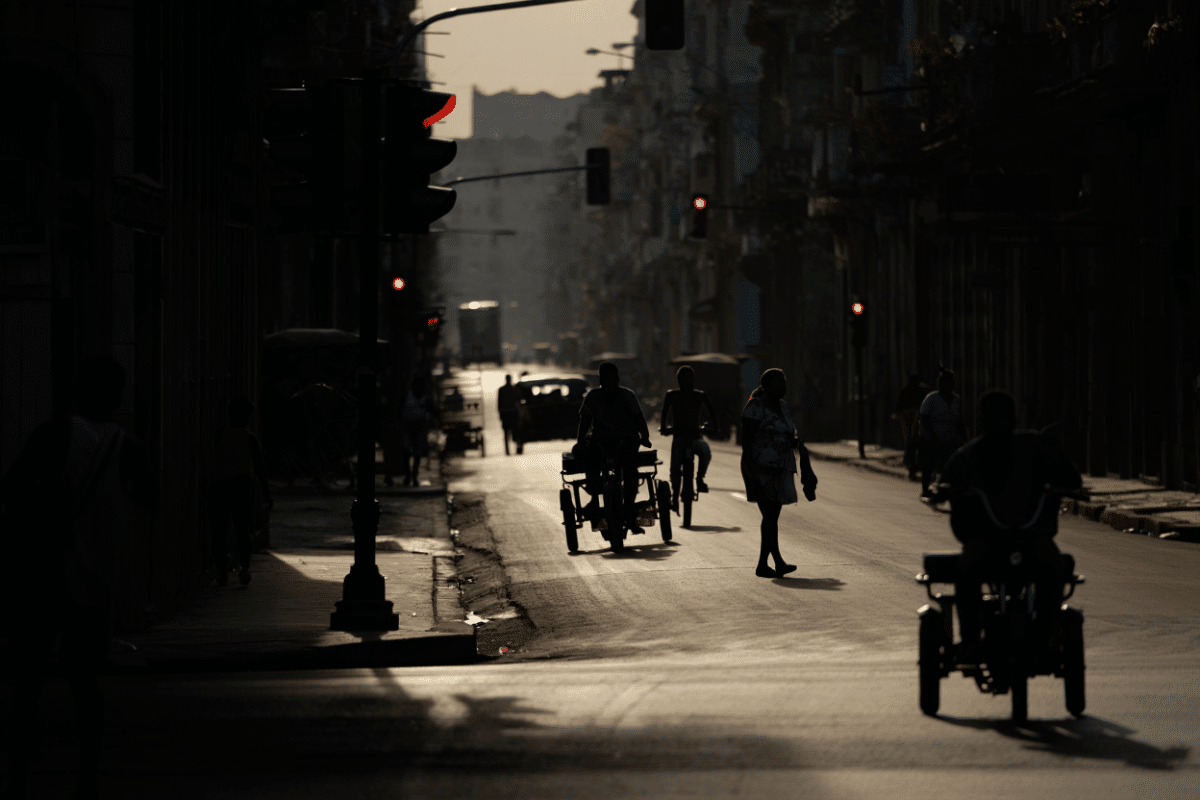
“There has been a total disconnection of the electrical system,” the Cuban energy ministry stated. In the capital Havana, traffic lights went dark and generators echoed through streets as residents, already accustomed to frequent outages, expressed mounting frustration at their increasing frequency and duration. “This is already the third collapse of the national electricity system this week. How much longer is this going to last? We can’t go on living like this anymore,” said Julia Valdés, 70, a Havana resident quoted in Reuters reporting, describing how she had to discard spoiled meat and fish from her refrigerator during earlier blackouts.
The repeated collapses reflect a structural vulnerability in Cuba’s power grid. The island operates 16 major thermoelectric plants, most built between the 1960s and 1980s with Soviet, Japanese, and Czech technology. These plants were designed for operational lifespans of roughly 100,000 hours; most have far exceeded that threshold. According to ElectricChoice’s analysis, Cuba’s thermoelectric plants operate at an average of just 34% of their rated capacity, and the grid faces a structural power deficit of roughly 1,500 to 2,000 megawatts even under normal conditions.
The fuel crisis has become acute. Oil imports to Cuba fell to effectively zero in January 2026 for the first time since 2015, according to ElectricChoice reporting. Only two small oil-carrying vessels reached the island in the first quarter of 2026. While Russian shipments have continued, they cover only 7 to 10 days of total consumption. This scarcity means that even operational plants cannot generate sufficient electricity to meet demand.
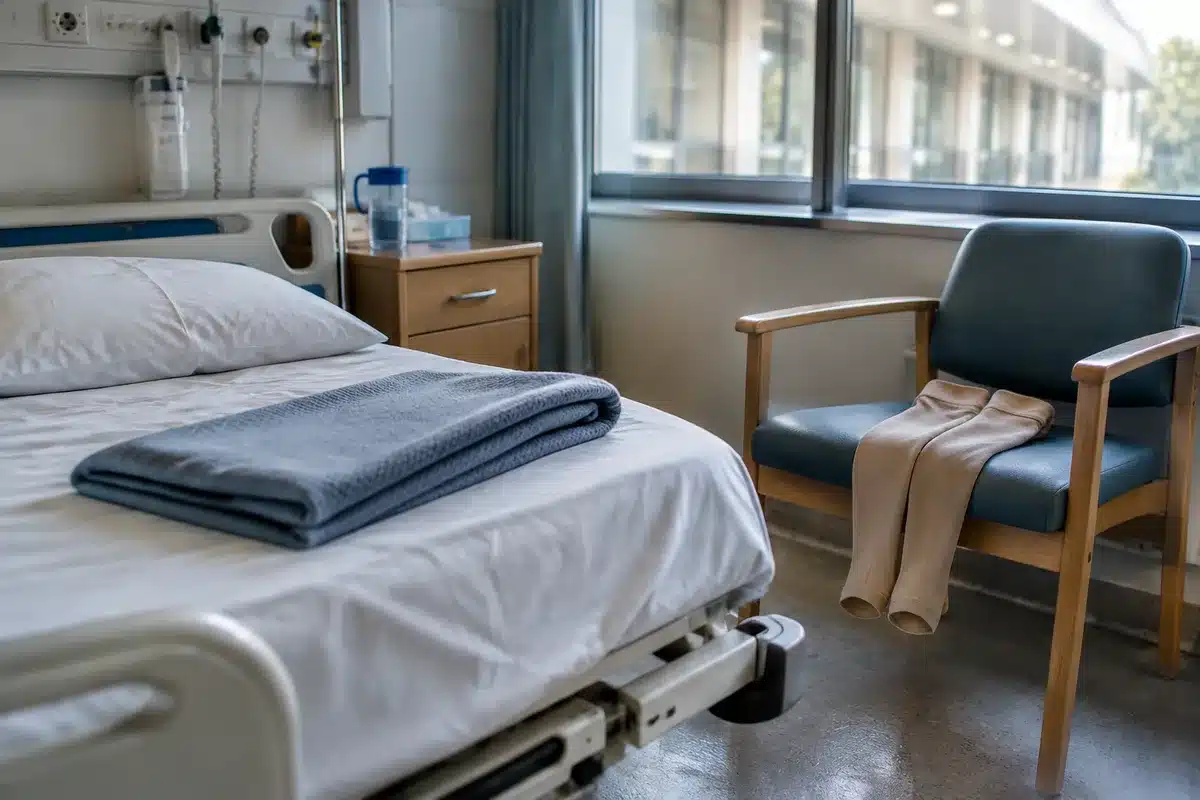
The humanitarian toll is mounting. Nearly one million Cubans depend on tanker trucks for drinking water, as 84 percent of pumping equipment requires electricity. When the grid collapses, water systems fail. Healthcare facilities have operated in complete darkness during extended outages, and food stored in refrigeration spoils during prolonged blackouts in a country already facing shortages. The chronic power failures have fueled small nightly protests and growing anger over both the U.S.-imposed blockade and the government’s inability to maintain basic services.
Venezuela’s role as Cuba’s energy lifeline made the geopolitical shift in January 2026 immediately consequential. Venezuela had supplied roughly 100,000 barrels of oil per day to Cuba at the program’s peak under Hugo Chávez, beginning in 2000. That arrangement allowed Cuba to stabilize its electricity supply after the 1991 Soviet collapse devastated the island’s energy access. When Trump’s administration removed Maduro from power and extended sanctions pressure, that supply line effectively closed, exposing the fragility of Cuba’s dependence on a single fuel source.
Addressing the crisis would require massive investment. The Cuba Study Group estimates that at least $6.6 billion in new generation capacity alone would be needed to close the grid’s power gap—a sum that does not include transmission, distribution, or storage modernization, which could push the total to $8 to $10 billion. Cuba is pursuing solar expansion through a China-backed program targeting 92 solar parks by 2028 with over 2,000 megawatts of capacity, but as of early 2026, only 34 parks were online, contributing roughly 560 megawatts at peak capacity. Solar power addresses daytime demand but provides no help during evening and nighttime hours, when residential demand peaks.
The pattern of cascading failures reflects a deeper structural problem. Cuba’s national grid connects the island through a centralized 110 kilovolt and 220 kilovolt transmission network. When a single large plant like the Antonio Guiteras facility trips offline, the frequency drop can cascade through the entire network and trigger automatic disconnections across the island. This vulnerability to cascading failures is a defining feature of the Cuban grid and a major reason why individual plant outages regularly become national blackouts.