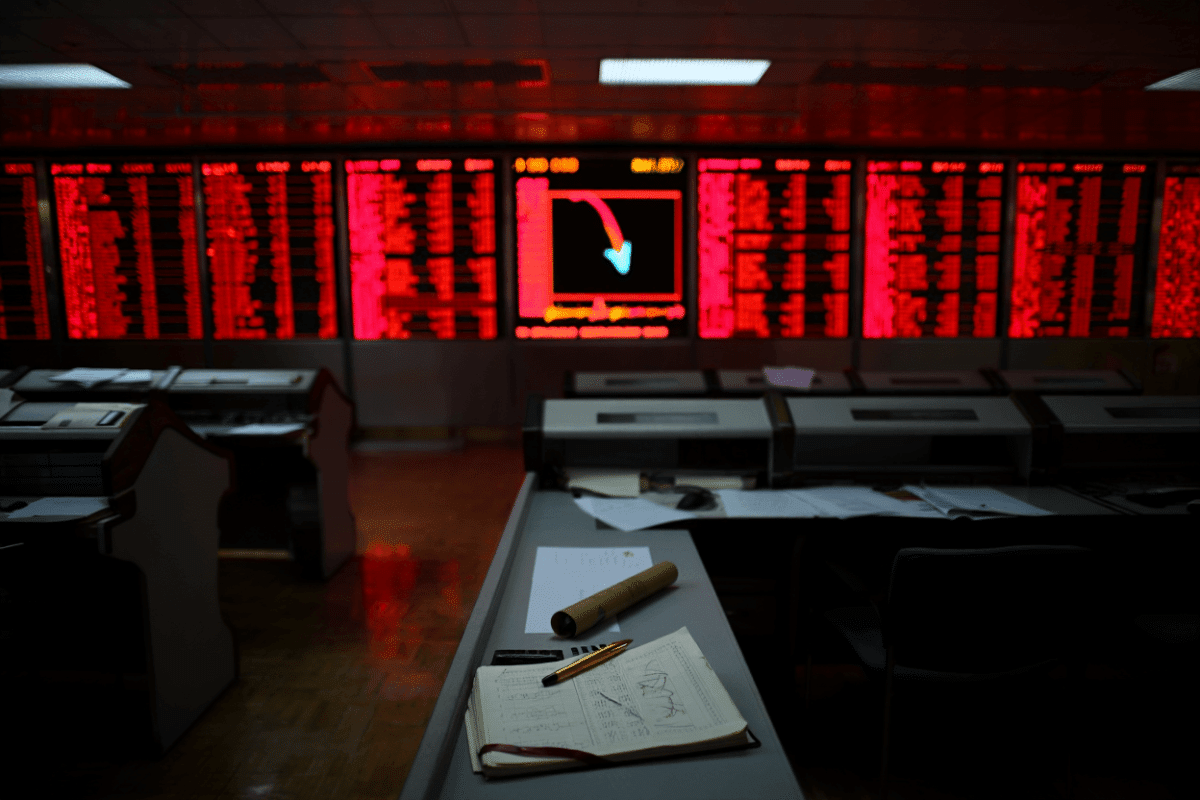
Tesla stock faces mounting pressure from a broad semiconductor sector selloff ahead of the company’s July 22 earnings report, as Wall Street grapples with concerns over the sustainability of artificial intelligence infrastructure spending. The electric vehicle maker’s shares have declined roughly 7 percent in 2026, and tumbled 7.49 percent on July 2 despite beating delivery expectations for the second quarter.
The semiconductor sector has been roiled by investor anxiety about AI capex growth. Samsung Electronics posted a record 19-fold jump in operating profit on strong AI memory chip demand, yet the company’s stock slumped 7 percent as investors fretted that artificial intelligence spending may not sustain current valuations. The broader selloff has wiped more than $80 billion from Samsung’s market value and erased roughly $1.3 trillion from semiconductor stocks overall, according to Reuters and Forbes.
Tesla’s exposure to the chip sector turmoil is indirect but real. The company relies on semiconductor suppliers including TSMC, Samsung, and Micron for chips used in vehicles and AI infrastructure, according to sources including Tesla Accessories. While Tesla announced its Terafab semiconductor manufacturing initiative in March 2026, the company remains dependent on external foundries for advanced chip production in the near term.
Why Valuations Are Under Fire
The semiconductor selloff reflects a deeper concern about whether AI infrastructure investment will justify current stock prices. J.P. Morgan noted that many semiconductor stocks are trading at price-to-earnings multiples suggesting the data center investment cycle may have already peaked. The four largest U.S. AI operators—including Meta Platforms and Alphabet—are expected to spend more than $725 billion on AI infrastructure this year alone, according to SWI swissinfo, yet questions linger about the returns on those investments.
Samsung’s earnings miss was not actually a miss on profit—the company beat expectations with record earnings—but rather a disappointment relative to investor hopes. Reuters reported that Samsung flagged a 19-fold jump in profit but shares slumped on jitters that the AI boom may stall. The company’s Q2 operating profit reached 84.3 trillion won ($55.1 billion), yet investors had expected even loftier gains, according to The New York Times.
Tesla’s July 22 earnings call will test whether the company can convince investors its business remains resilient despite the tech sector’s volatility. Investing.com reported that Tesla stock may move 5.7 percent when the company releases its earnings after market close on July 22, based on options data. Tesla’s Q2 2026 deliveries reached 480,126 vehicles, beating the Tesla-compiled consensus, yet the stock still fell sharply on July 2 as profit margin concerns overshadowed the delivery beat, according to Vantage Markets.
Sources
- Tesla Investor Relations — official announcement of July 22 earnings date
- Reuters — Samsung record profit, semiconductor sector selloff, and valuation concerns
- Forbes — semiconductor sector selloff details and AI capex growth questions
- CNBC — Samsung earnings, AI spending concerns, and semiconductor stock declines
- Bloomberg — Samsung earnings miss relative to investor expectations and chip sector volatility
- The New York Times — Samsung earnings details and investor sentiment
- Vantage Markets — Tesla stock decline on July 2 despite delivery beat
- Tiger Brokers — Tesla 7.49% decline on July 2 and profit margin concerns
- Investing.com — Tesla stock volatility expectations for July 22 earnings
- SWI swissinfo — AI operator spending projections for 2026
- J.P. Morgan — semiconductor valuation concerns and data center investment cycle
- Tesla Accessories — Tesla semiconductor supplier dependencies