
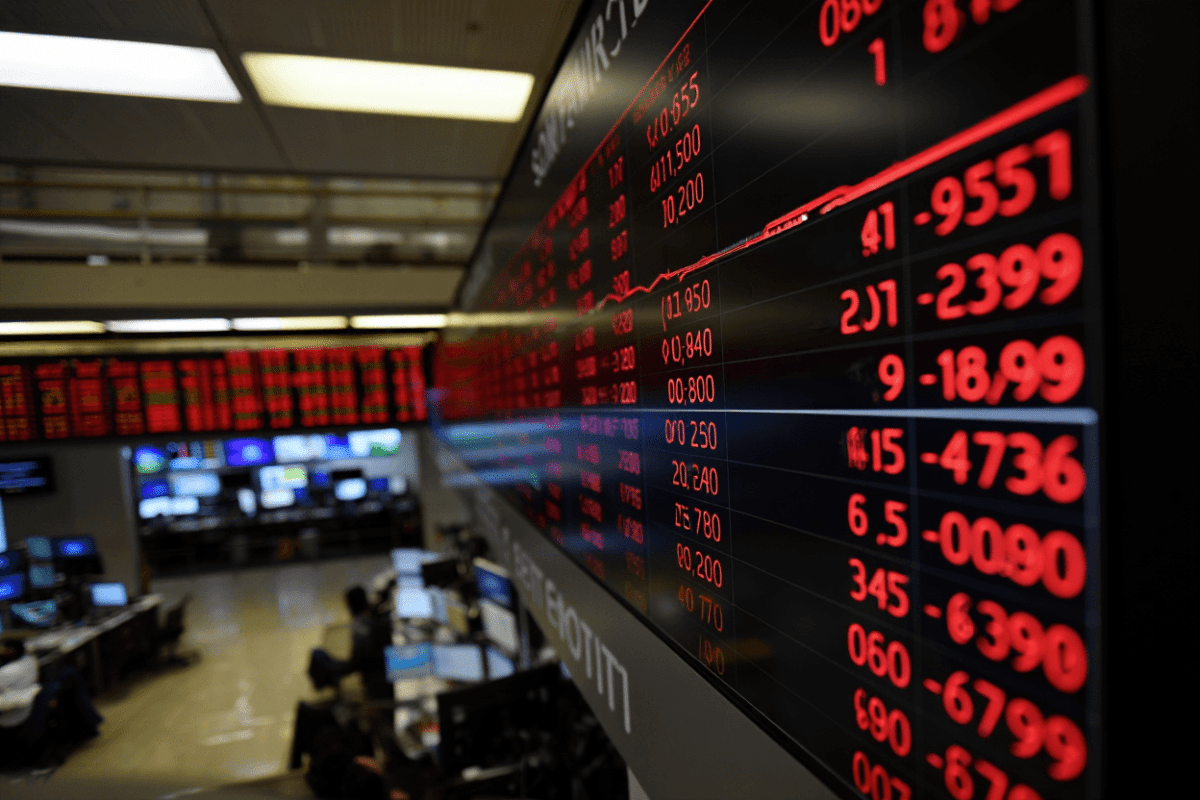
The S&P 500 slipped 0.51% on July 16 as chipmakers and AI stocks retreated amid growing investor caution about whether massive spending on artificial intelligence infrastructure can justify current valuations.
The Nasdaq Composite fell 1.5%, with semiconductor stocks leading the decline. The iShares Semiconductor ETF (SOXX) dropped 4.5%, while the PHLX Semiconductor Index slid 3%, extending a selloff that has persisted for weeks despite strong earnings reports from major chipmakers.
Taiwan Semiconductor Manufacturing Company (TSMC), the world’s largest contract chipmaker, reported better-than-expected second-quarter results and raised its full-year capital expenditure forecast to $60 billion to $64 billion, up from $52 billion to $56 billion. Yet TSMC shares slipped more than 2% despite the strong results, signaling that markets have shifted from celebrating solid earnings to questioning whether the pace of AI infrastructure spending can justify valuations. Memory stocks bore the brunt of selling, with SK Hynix shares falling roughly 14% following a 9% decline the prior session, while SanDisk and Seagate Technology each dropped more than 10%.
Alphabet shares sank more than 4% after Bloomberg reported that Google’s AI unit was months behind schedule delivering Gemini 3.5 Pro, its most powerful AI model. The delay underscored investor concerns about execution risk in the AI buildout. Five of the Magnificent Seven mega-cap tech stocks finished lower, with SpaceX closing below its initial public offering price for the first time.
The chip selloff extends a pattern that began in early July. When semiconductor stocks posted their worst two-day decline in a month around July 1-2, the sector erased over $1.3 trillion in market value. That initial rout was attributed to concerns over the sustainability of hyperscaler debt-funded AI spending and questions about whether valuations had gotten ahead of fundamentals. Today’s decline suggests those worries persist even as major chipmakers report strong demand and raise capital-spending guidance.
Economic data offered some bright spots. U.S. retail sales rose 0.2% in June, matching economist estimates, while jobless claims for the week ended July 11 came in at 208,000, lower than expected. Ellen Zentner, Chief Economic Strategist for Morgan Stanley Wealth Management, said in written commentary: “Despite challenges, consumers are still spending and the labor market shows no signs of cracking.”
Sources
- ECIKS.org — Market close data for July 16, 2026; S&P 500 and Nasdaq declines; TSMC earnings, capex guidance, and share performance; memory stock losses; Alphabet decline and Gemini delay; Magnificent Seven performance; economic data on retail sales and jobless claims; Morgan Stanley commentary
- Reuters — Chip stocks decline pattern and valuation concerns; semiconductor index pressure
- Bloomberg — Semiconductor stocks worst two-day selloff in early July; $1.3 trillion in sector market value erased; AI infrastructure spending concerns










