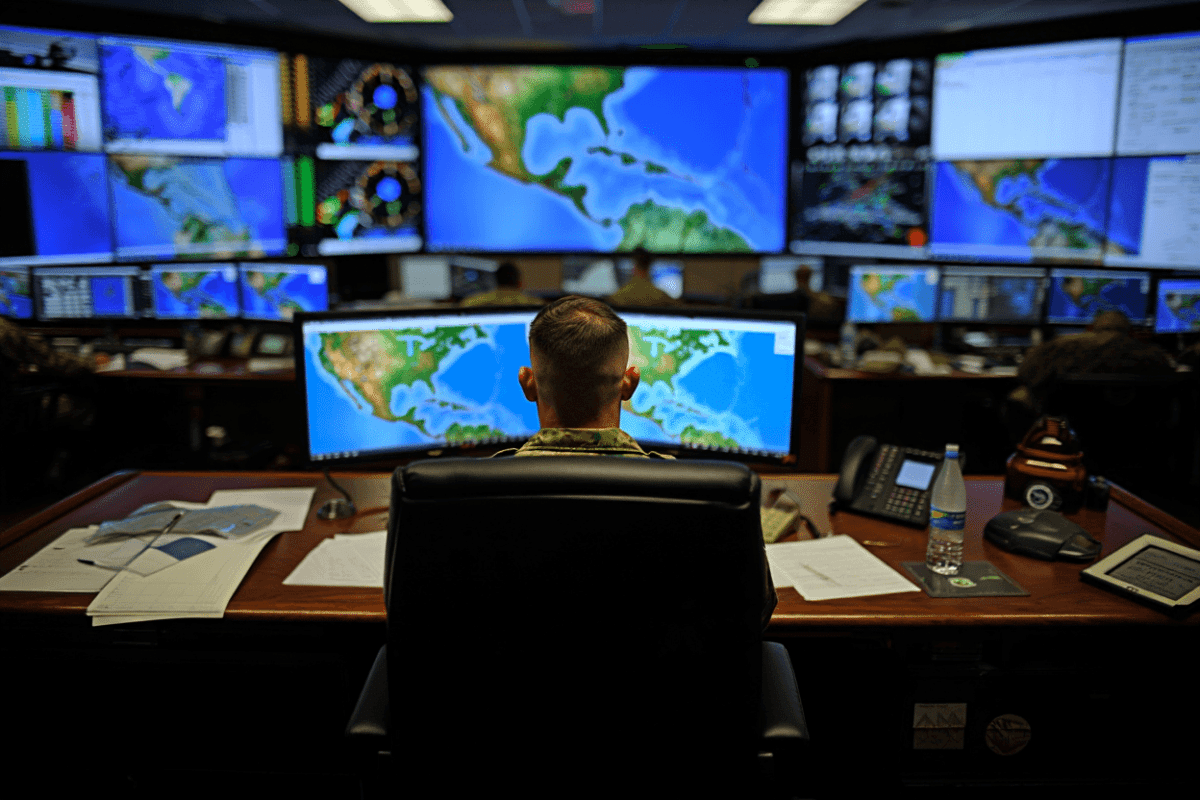
Military planners have examined a range of options for possible action against Cuba in recent weeks, including an Army-led air assault involving thousands of U.S. soldiers from the 101st Airborne Division, according to senior Pentagon officials who spoke to CBS News under condition of anonymity. The briefings represent early-stage contingency planning rather than a decision by President Trump or the Pentagon to carry out an operation, the officials stressed.
Defense Secretary Pete Hegseth acknowledged to reporters that the U.S. was presenting military options to Trump, though he offered the possibility of a more peaceful relationship, saying the administration hopes to soon be “a friend of the leadership of the government of Cuba.” During a June 10 visit to the U.S. Naval base at Guantanamo Bay, Hegseth warned Cuba against acquiring weapons that could threaten the base or the American homeland, stating it would be “unwise” for the Cuban government to seek such access.
The Pentagon faces a significant constraint in executing any Cuba operation: much of the U.S. military’s attention and valuable offensive capabilities are already committed to the ongoing war in Iran, which restarted last week after a ceasefire collapsed. The military has shifted aircraft, intelligence assets and other resources from other regions to the Middle East to sustain operations against Iran, limiting the immediate focus toward Cuba.
The Trump administration’s pressure campaign against Cuba did not emerge overnight. Over the past 18 months, the White House has dismantled the limited engagement pursued under former Presidents Joe Biden and Barack Obama, replacing it with escalating economic, diplomatic and legal pressure. In January 2025, Trump restored Cuba’s designation as a state sponsor of terrorism, a move that restricted Havana’s access to international finance. The administration then expanded restrictions on business transactions with Cuba’s military-controlled conglomerate GAESA, broadened visa restrictions targeting Cuba’s overseas medical missions, and in January 2026, Trump declared Cuba an “unusual and extraordinary threat” and extended sanctions to foreign governments and companies supplying the island with oil.
Strategic analysts have examined what military action might entail. The Center for Strategic and International Studies (CSIS) outlined five possible scenarios involving the use of force against Cuba in June 2026, ranging from continued pressure campaigns to more extreme options. According to CSIS analysis, occupying Cuba would require an external force of at least 100,000 personnel, months of visible preparation, and regional coordination—a substantial commitment at a time when U.S. forces are stretched across multiple theaters.
Secretary of State Marco Rubio has emphasized that the U.S. prefers a diplomatic option for a transition to a new government led by technocrats willing to make economic reforms. That diplomatic process has stalled despite tightening financial pressure around the Cuban military and GAESA, a sprawling military-controlled holding company the U.S. refers to as an $18 billion trust fund. In a July 11 statement, Rubio said the regime and its “corrupt elites” continue to refuse reform, instead “perpetuating their total control” and adherence to a “morally bankrupt Marxist ideology.”
The intelligence community’s 2026 annual threat assessment largely portrays Cuba as an enabling environment for larger geopolitical competitors—Russia, China, and Iran—rather than as an independent strategic threat. Notably, the March assessment did not identify Cuba itself as possessing military capabilities that materially threaten the U.S. or describe Havana as an independent driver of instability. However, U.S. officials have noted that Cuba has acquired attack drones of unknown origin, and the Trump administration has accused Havana of strengthening ties with hostile nations.
Sources
- CBS News — senior Pentagon officials’ examination of military options for Cuba, including 101st Airborne air assault; Hegseth’s acknowledgment of presenting options to Trump; the 18-month pressure campaign; diplomatic stalling; intelligence threat assessment details
- CSIS (Center for Strategic and International Studies) — five possible scenarios for use of force against Cuba; requirement of 100,000+ personnel for occupation
- CiberCuba — CSIS analysis on personnel requirements for occupying Cuba