The Producer Price Index for final demand fell 0.3% in June, marking the first monthly decline in wholesale prices since August 2025 and signaling easing inflation pressures at the factory level, the Bureau of Labor Statistics reported Wednesday.
The June drop came after a downwardly revised 0.6% increase in May, defying economist expectations for a flat reading. The annual PPI rate slowed to 5.5% in June from 6.0% in May, suggesting wholesale inflation is cooling even as broader economic tensions persist.
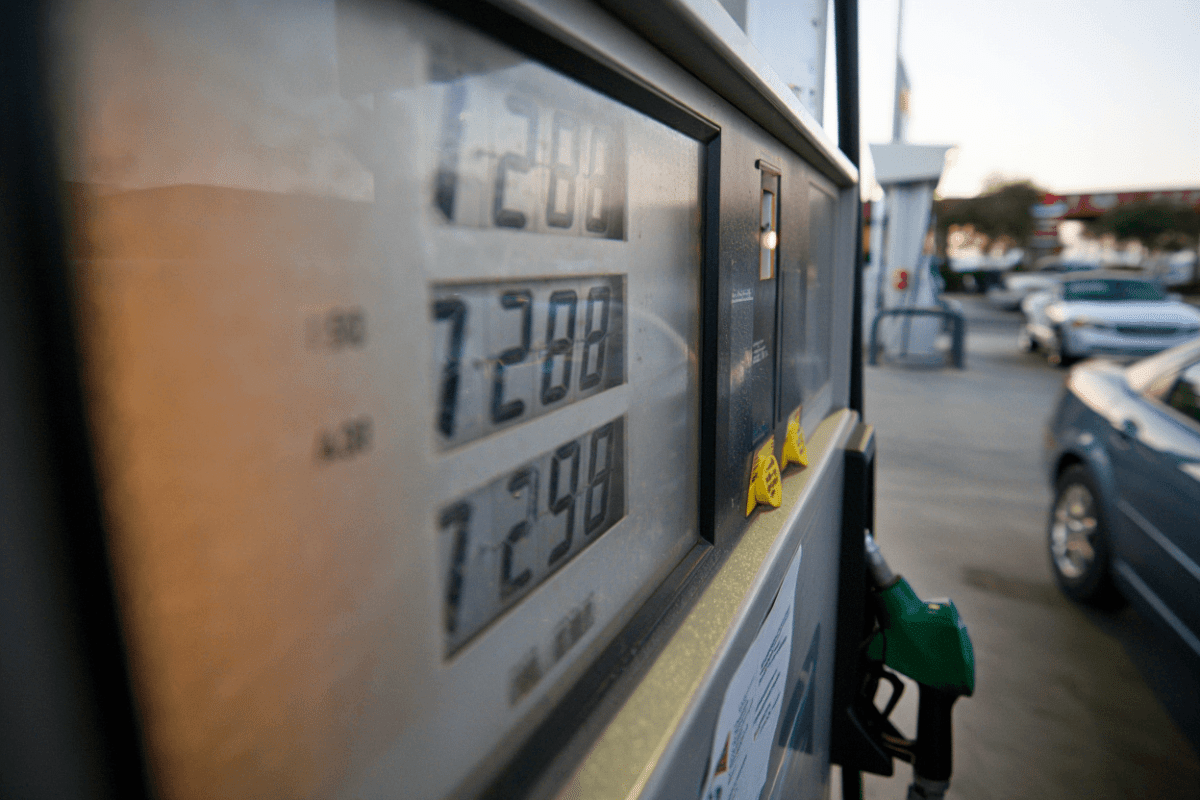
Goods prices posted a 1.4% monthly decline, the largest drop since July 2022, driven by a sharp 6.4% fall in energy costs. Within that category, gasoline plummeted 12%, accounting for roughly two-thirds of the overall monthly decrease, according to Barron’s. Food prices also fell 0.6%, helping to offset pressures elsewhere in the economy.
Services prices, by contrast, rose 0.2% in June. Trade services—which track the difference between selling prices and acquisition costs—climbed 0.4%, keeping core PPI (excluding food and energy) from falling further. Core PPI rose 0.2% for the month, below the 0.3% forecast, CNBC reported.
The energy-driven decline reflects a brief easing of Middle East tensions. Oil prices had spiked earlier in July after the ceasefire between the United States and Iran collapsed, with commercial tankers coming under fire in the Strait of Hormuz. However, by the time the June PPI data was compiled, crude costs had moderated from their peaks, Reuters noted.
The June PPI report arrives one day after consumer prices fell 0.4% in June—the largest monthly drop since April 2020—bringing annual consumer inflation to 3.5%. Together, the two reports suggest inflation at both the wholesale and retail levels is retreating, though both remain above the Federal Reserve’s 2% target. Fed Chair Kevin Warsh cautioned Tuesday that the recent price declines do not represent a “mission accomplished” moment for inflation control.
A year earlier, in June 2025, the PPI was unchanged month-to-month, according to Bureau of Labor Statistics archives. The contrast between that flat reading and the current 0.3% decline underscores how sharply goods deflation has accelerated in recent months, particularly as energy costs have become more volatile.
Economists and market participants have begun scaling back expectations for Federal Reserve rate hikes, with traders increasingly seeing a rate increase as unlikely before September, if at all. The softer producer price data bolsters the case for the Fed to hold rates steady in its current 3.50%-3.75% range, though geopolitical risks and sticky core inflation remain headwinds to any near-term policy easing.
Sources
- Bureau of Labor Statistics — June 2026 PPI release confirming 0.3% decline in final demand, goods fall 1.4%, services rise 0.2%, and 5.5% annual rate
- Reuters — Reporting on unexpected June PPI decline, energy drop, and Fed inflation outlook
- Barron’s — Analysis of wholesale price decline, gasoline impact, and core PPI details
- CNBC — Coverage of June PPI, core PPI miss, and Fed policy implications