Russia has withdrawn at least two dozen S-300 and S-400 air defense launchers from its only nuclear submarine shipyard in Severodvinsk, satellite imagery analysis shows, exposing the strategic facility to potential long-range strikes as Moscow struggles with a deepening shortage of air defense systems.
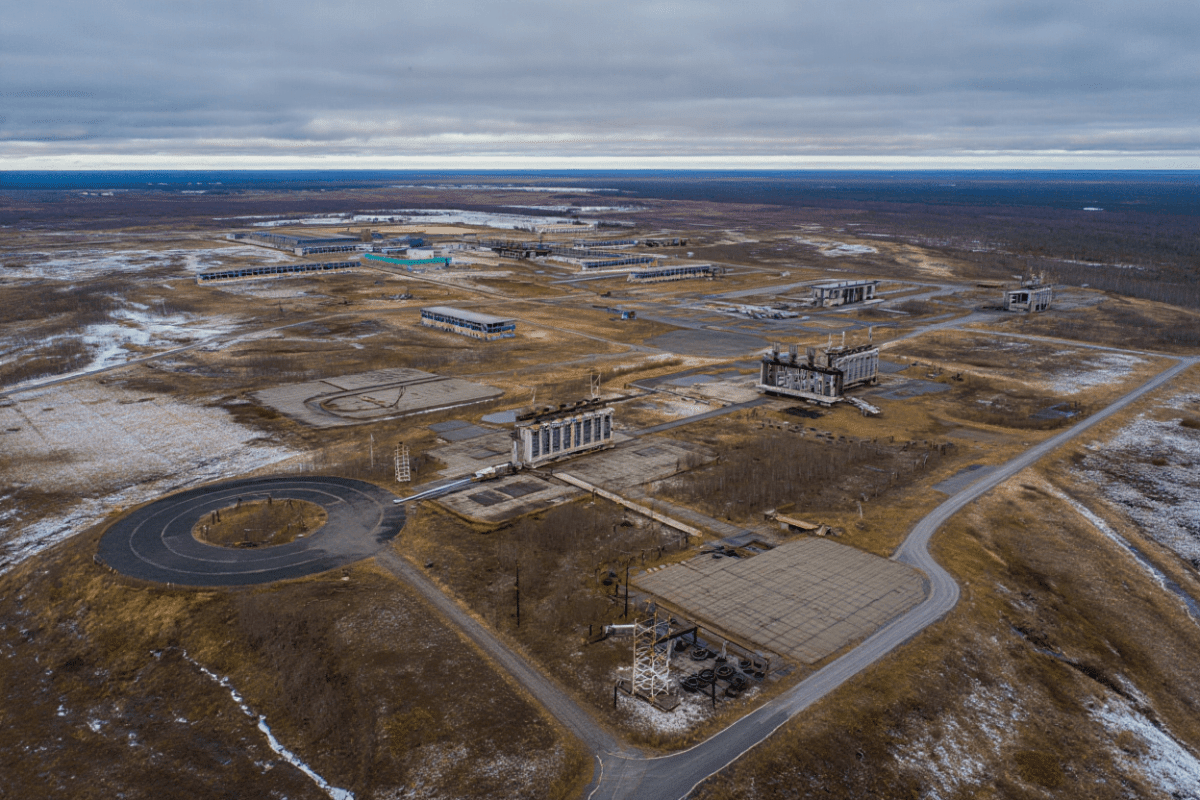
According to analysis published by the Barents Observer on July 11, the mobile air defense systems have disappeared from two long-established positions protecting the Sevmash shipyard since 2024. Satellite imagery from 2025 and June-July 2026 confirms the sites are now largely abandoned.
The withdrawal affects two critical defense positions: the Coastal Missile Battery on Yagry Island, which previously housed six launchers at Yagry North and 14 at Yagry Island Central, and the Coastal Missile Defence Battalion at Mironova Gora, located about 12 kilometers from the shipyards, which maintained eight S-300 or S-400 launchers. Both radars and support vehicles associated with these systems have also vanished from satellite view.
Sevmash is the country’s only shipyard that builds nuclear-powered submarines, according to Wikipedia. The neighboring Zvezdochka shipyard specializes in the repair and modernization of the Russian Navy’s submarine fleet. These facilities have been protected by the 1528th Anti-Aircraft Missile Regiment, part of Russia’s Leningrad Military District, since the Cold War.
The redeployment reflects Russia’s struggle to manage its air defense assets amid mounting pressure from Ukrainian long-range strikes. Kristian Åtland, a senior research fellow specializing in Russian naval operations, told the Barents Observer that Russia is “burning through its interceptor missile stockpiles faster than the defence industry can replace them.” This has forced Moscow to reallocate systems from lower-priority regions to higher-priority areas, such as Moscow, St. Petersburg, and operational zones closer to the Ukrainian front, including Crimea.
The apparent disappearance of the systems from satellite imagery does not necessarily mean Severodvinsk has been left entirely unprotected. Åtland cautioned that the systems may have been dispersed, are undergoing maintenance, or may have been replaced by other air-defense assets. However, the evidence suggests that Russia’s principal submarine-building complex has been left with only limited shorter-range air defense systems.
Personnel from the 1528th Regiment have been deployed away from Severodvinsk. Lieutenant Colonel Vladimir Spiridonov, an S-400 battalion commander from the regiment, was killed in occupied Crimea on April 30, 2024, according to the Barents Observer. His death provides evidence that regiment personnel were redeployed to combat zones far from Russia’s High North.
The redeployment is part of a broader pattern. In late 2023, Bellingcat documented the transfer of S-400 batteries from Russia’s Kaliningrad exclave to Rostov-on-Don and occupied Crimea. Ukraine has expanded the range of its long-distance drone campaign, striking military and energy infrastructure deep inside Russia. Severodvinsk lies approximately 1,500 kilometers from Ukrainian-controlled territory, placing it within the potential range of Ukraine’s increasingly capable long-range strike systems.
Sources
- Barents Observer — Satellite imagery analysis showing withdrawal of S-300 and S-400 systems from Yagry Island and Mironova Gora; expert commentary from Kristian Åtland on air defense shortage; details on Lt. Col. Vladimir Spiridonov’s deployment and death.
- UNITED24 Media — Reporting on satellite imagery analysis confirming removal of air defense systems; details on the 1528th Anti-Aircraft Missile Regiment; context on Ukraine’s long-range strike campaign.
- Wikipedia — Confirmation that Sevmash is Russia’s only nuclear submarine builder.