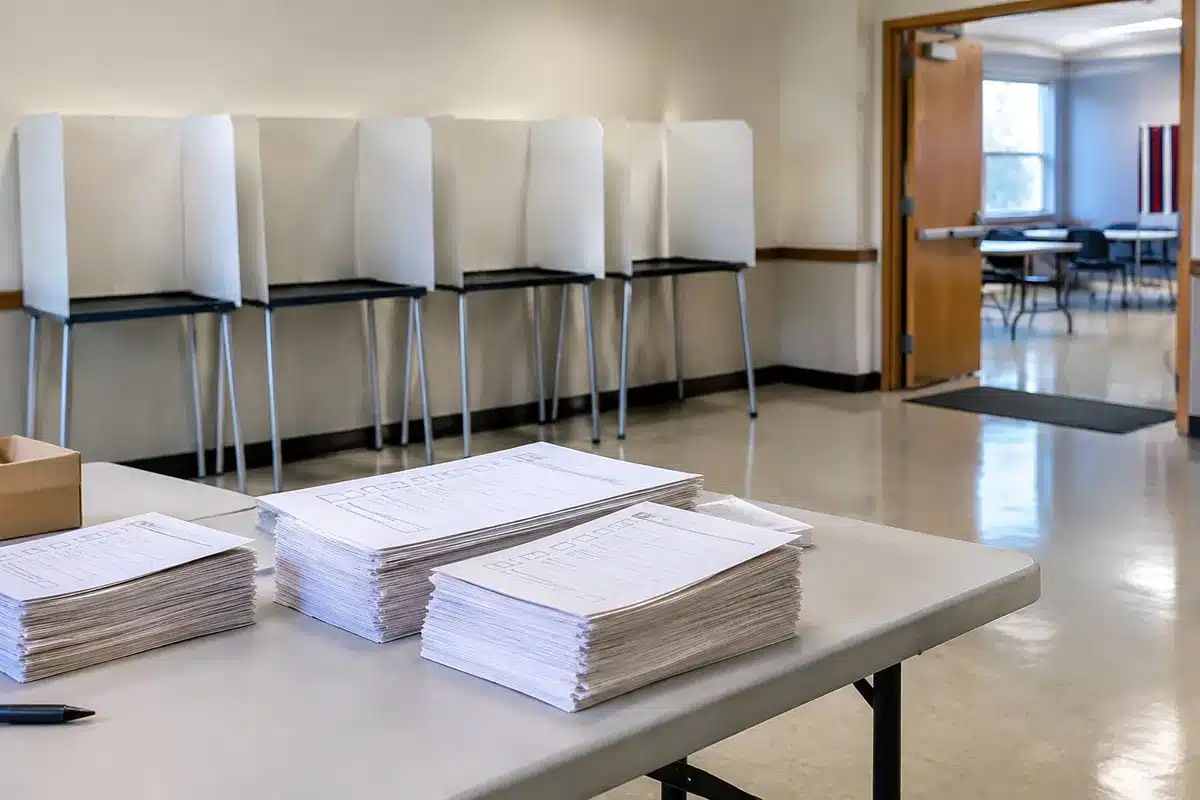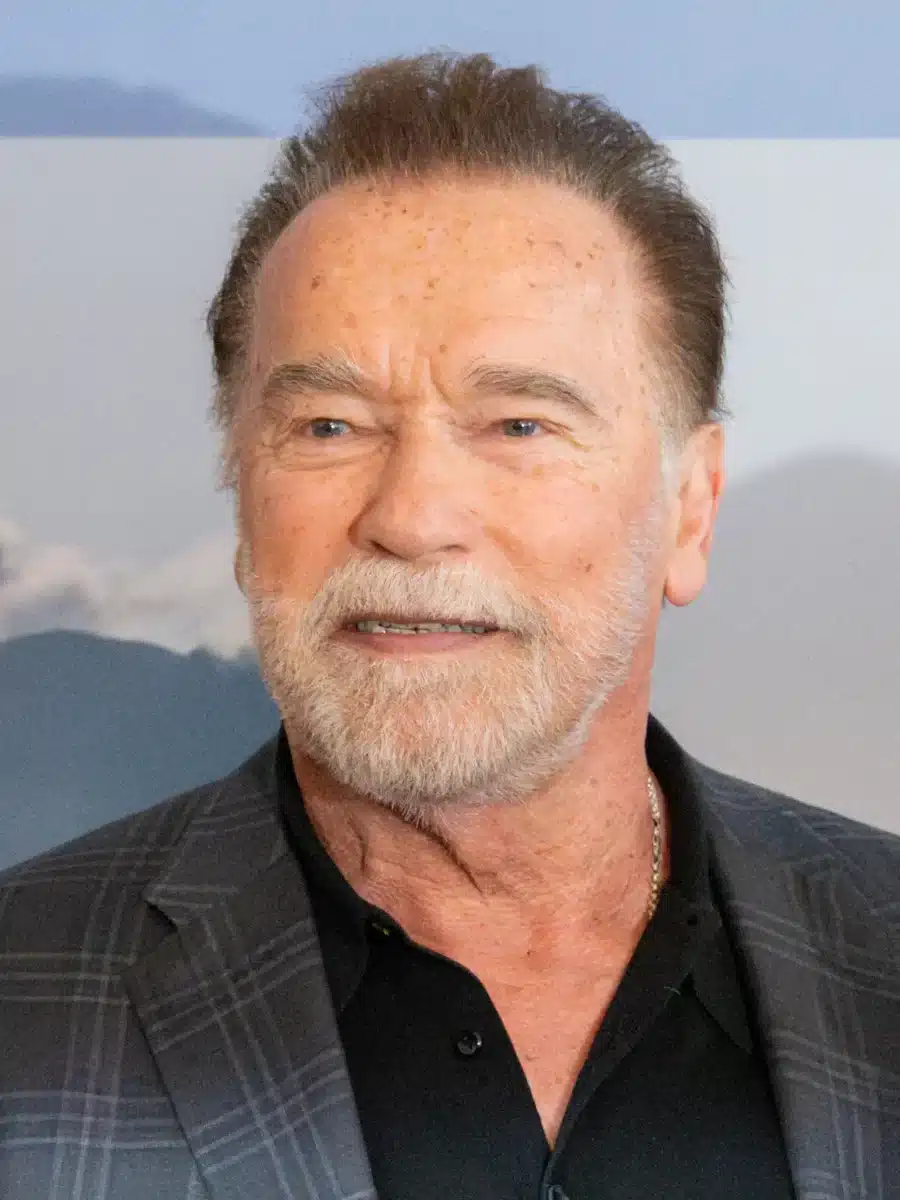
Darializa Avila Chevalier, a 32-year-old community organizer and democratic socialist, challenged incumbent Rep. Adriano Espaillat in the New York 13th Congressional District Democratic primary on June 23, 2026, in a closely watched race that tested the political influence of New York City Mayor Zohran Mamdani.
Espaillat, a five-term congressman and chairman of the Congressional Hispanic Caucus, faced an unexpected primary threat from a lesser-known progressive backed by Mamdani’s high-profile endorsement. Espaillat became the first Dominican American and first formerly undocumented immigrant to serve in Congress when he was elected in 2016, representing a district stretching across upper Manhattan and parts of the Bronx.
Avila Chevalier, who served as Mamdani’s organizing lead in her district during his successful mayoral campaign, emerged as a credible challenger despite significant fundraising disadvantages. According to federal campaign finance filings, Espaillat raised more than $2 million this cycle, drawing support from labor unions and Democratic PACs, while Avila Chevalier raised just under $1 million, relying heavily on individual donors and progressive groups including the Justice Democrats PAC and New York City’s Democratic Socialists of America.
The race centered on competing visions for the district. Avila Chevalier argued that Espaillat had failed to improve conditions during his nine years in office, pointing to an exodus of over 200,000 Black New Yorkers from the city over two decades. “He has been in office in some capacity for 30 years, and it’s time for a change,” she said, calling for “a politics that actually puts the working people of our communities first.”
Espaillat countered that Avila Chevalier lacked experience for Congress. “Getting results in Congress is not a PhD program,” he said during a WNYC candidate forum, referencing her studies at the City University of New York. Avila Chevalier is currently working as a public defense investigator while completing her PhD and is a union member of the United Auto Workers Local 2325, which endorsed her campaign.
Avila Chevalier’s platform centered on universal healthcare, campaign finance reform, and abolishing ICE, according to The Guardian. As a Columbia University alumna, she had organized with Students for Justice in Palestine and later helped lead the university’s pro-Palestinian encampment in 2024. She has also advocated for the Block the Bombs Act, which prohibits the sale of certain U.S.-made offensive weapons to Israel.
The race became a flashpoint in broader Democratic divisions over Israel and Gaza. In a televised debate, Espaillat criticized Avila Chevalier for attending an October 8, 2023, pro-Palestinian rally in Times Square, claiming she was “celebrating the death of innocent people.” Avila Chevalier shot back that she attended to prevent an “outsized reaction” that would cause deaths. Espaillat, who voted in 2024 to send additional military aid to Israel, has generally aligned with mainstream Democratic positions on the issue and received $5,000 directly from AIPAC plus more than $140,000 in earmarked donations from the pro-Israel lobby, according to federal filings.
Outside spending reflected the ideological stakes. The pro-Palestinian American Priorities PAC spent roughly $500,000 on ads boosting Avila Chevalier or attacking Espaillat. AIPAC’s super PAC, the United Democracy Project, disclosed $650,000 in spending last month on BOLD America, a super PAC that spent over $2.8 million opposing Avila Chevalier and supporting Espaillat, according to JTA.
Endorsements split along ideological lines. Espaillat touted backing from New York Gov. Kathy Hochul, Attorney General Letitia James, NYC Comptroller Mark Levine, and NYC Council Speaker Julie Menin. Avila Chevalier assembled a coalition including Mamdani, Jewish Voice for Peace Action, NYC Democratic Socialists of America, and the progressive group Track AIPAC.
A June 2026 internal poll conducted by Data for Progress showed Avila Chevalier leading Espaillat 39% to 35%, suggesting a competitive race despite his fundraising advantage. However, a Mercury Public Affairs survey from June 9-11 found Espaillat leading by eight points, with 35% supporting him, 27% supporting Avila Chevalier, and 38% undecided. The winner of the primary was positioned to advance strongly toward the November general election, as the district is heavily Democratic.
Sources
- The Guardian — Avila Chevalier’s platform, age, role in Mamdani’s campaign, quotes from her and Espaillat, district demographics and history, internal polling, Espaillat’s voting record on Israel aid
- Jewish Telegraphic Agency — Debate exchange over Israel, AIPAC spending figures, fundraising totals, outside spending amounts, endorsements from both sides, October 8 rally details
- NBC News — Primary election results and live coverage
- Ballotpedia — Primary date, candidate list, district information
- Politico — Mamdani’s endorsement announcement and timing
- The New York Times — Live election results and polling data